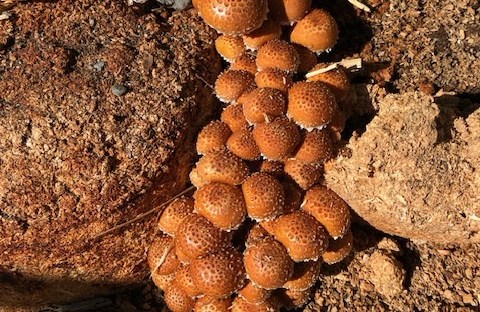
I’m still experimenting with edible mushrooms, and I recently grew some chestnut mushrooms in my garden, which I was excited that they turned out. I took a photo of them developing over a few days to see how much they changed in 24 hours. It’s kind of fun seeing them develop.
I feel like chestnut mushrooms are a little known mushroom in a lot of circles. I wanted to grow them because I thought they looked cool and read that they taste quite good (which is true).
Like most mushrooms, they are a notable source of several essential nutrients, such as:
B vitamins: A rich source of riboflavin (B2) and niacin (B3), which are vital for energy production and a healthy nervous system.
Vitamin D: Like other mushrooms, they can produce vitamin D when exposed to ultraviolet (UV) light, which helps with bone health and immune function.
Selenium: A powerful antioxidant that protects cells and supports the immune system and has been shown to be anti-cancer.
Potassium: An important mineral for heart health and blood pressure regulation.
Copper: Essential for the formation of red blood cells and maintaining nerve function.
In addition to their basic nutritional content, chestnut mushrooms offer other potential health benefits. They contain beta-glucans, which have been shown to help boost immune function. Also, they contain antioxidants such as ergothioneine (yeah, I had to look that one up too, never heard of it, basically a naturally occurring fungus amino acid) which may protect against oxidative stress.
Anyhow, here is a little 10 second video of their growth.
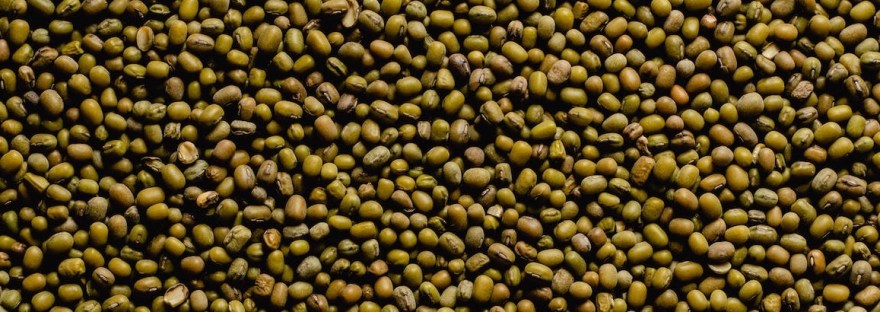
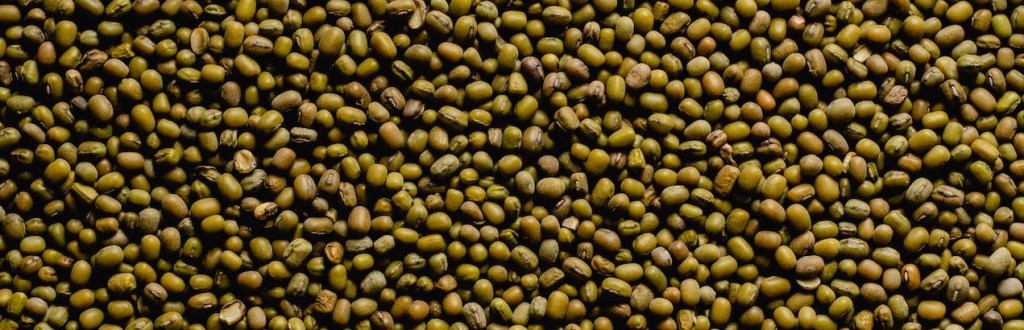
Mung beans oh mung beans. I love mung beans so much, that’s the title of the song I made up for them that I sing when I cook them (mainly to make my children roll their eyes).
This legume is a powerhouse that is a staple in Asia, and it definitely doesn’t get its recognition here in the West. To put it into perspective, I almost feel like it’s the corn or wheat of Asia, except it’s so much better for you.
You can make soups, deserts, noodles, snacks, and of course, bean sprouts, which is probably how most westerners eat them, maybe without knowing what they are.
Human cultivation of mung beans started about 4500 years ago in India. It is easy to cook, easily digestible and nutrient dense. All those traits are super important for all people and extremely important for people who are going through cancer.
In both Ayurvedic and Chinese medicine, mung beans are very cleansing and rejuvenating for the body and its organs. Who wouldn’t want that? They have been a constant companion on my health and cancer journey. I eat 1/2 of a cup of them every day.
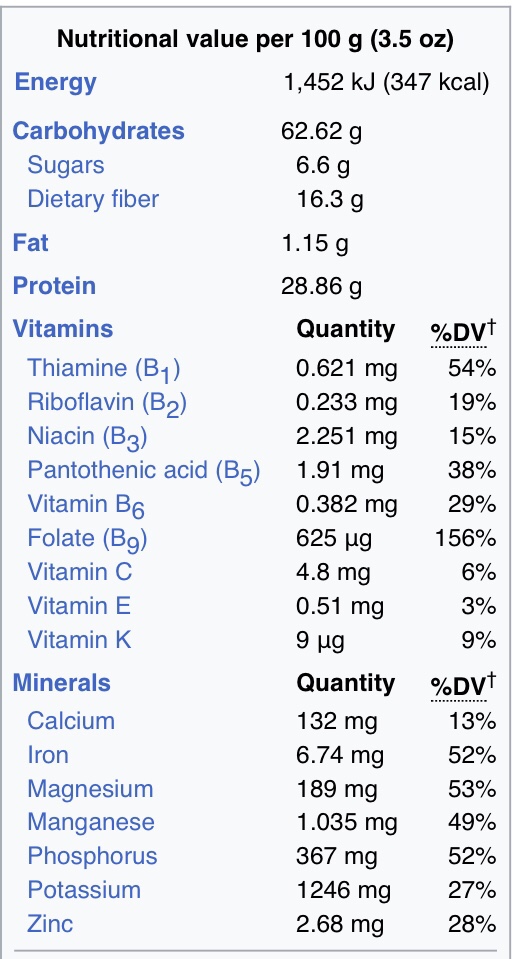
This nutritional chart is for 3.5 ounces. 3.5 ounces is about half a cup. Talk about a nutritional powerhouse wrapped up in this tiny little legume. Protein, vitamins and minerals. It’s pretty ridiculous how good these are for you.
Just to remind you, 50 grams of protein is the recommended daily amount for an adult, and you can get more than half of that from less than half a cup.
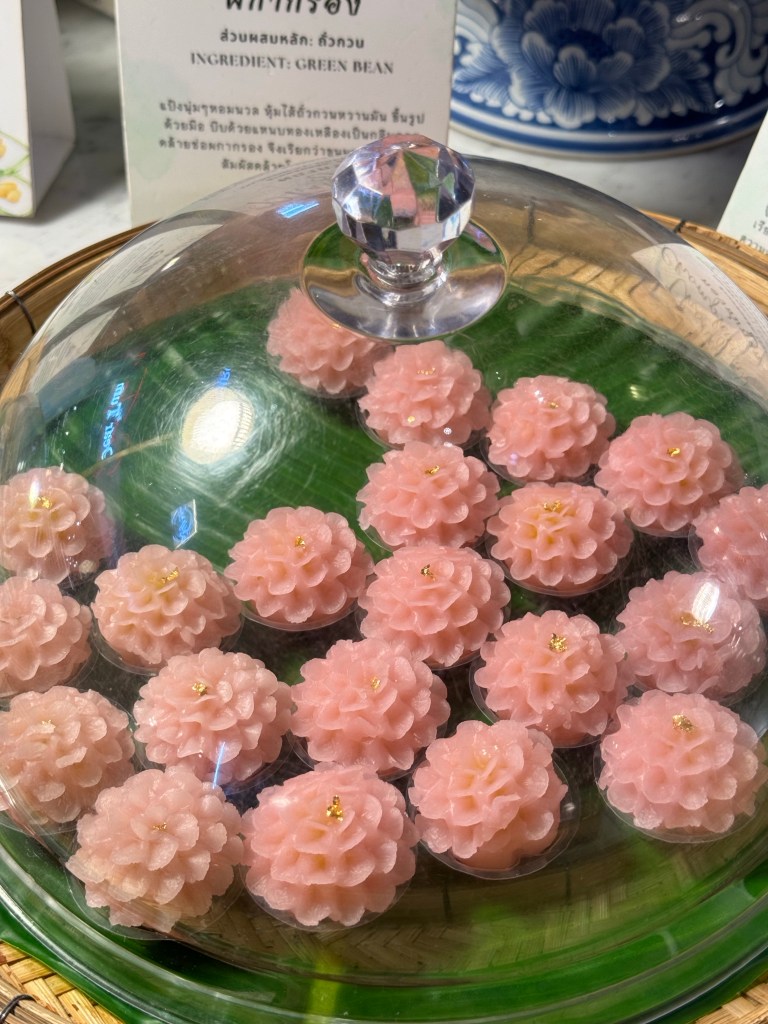
My brother recently went to Thailand and sent me this picture because I’m such a mung bean fan. It is a desert made from mung beans. They look pretty awesome and quite different from a small green bean. Their use is only limited to a person’s imagination.
Here is my simple mung soup recipe (I do have a deluxe version as well).
Soak overnight 1/2 a cup of mung beans
Rinse well when ready to cook.
Add the mung beans to a pot with 2 cups of water.
Add a pinch of Asafoetida
Add a pinch of ground black pepper
Add 1/2 a teaspoon of each of cumin powder, coriander powder and turmeric powder (turmeric is anti-cancer, especially myeloma).
Chop and add half of a small onion
Grate and add one knuckle of ginger (two inches)
Stir in a teaspoon of coconut oil
Bring to a boil. Mung beans will be cooked when the beans start cracking open and are soft.
Add salt to taste
It’s pretty easy to make. I encourage you to try to incorporate these little wonders into your diet, and maybe they will do something wonderful for you.
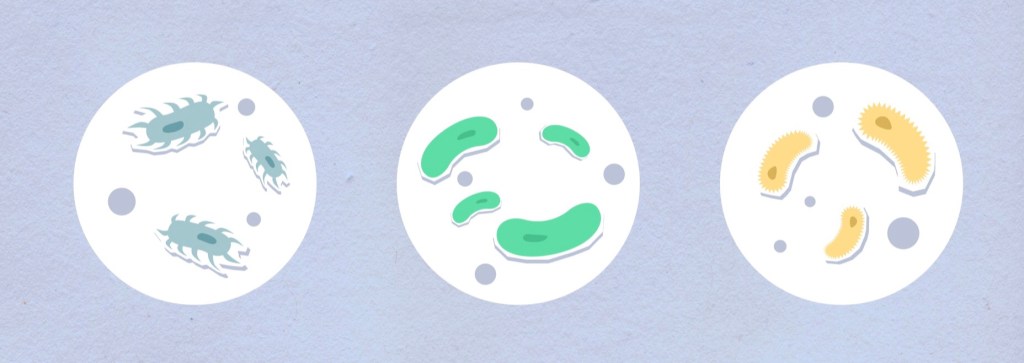
I was eating some sauerkraut with my dinner last week. It’s part of my bacteria quest that I wrote about a little while ago. I was sitting there thinking to myself,
“Boy, this is great. I’m eating this food to help out my good bacteria population and maybe help heal my gut and who knows what else!”
Then an image popped into my head, of my grandmother canning up her soup in mason jars from years ago. I remember it taking heat to cause those lids to pop down and seal.
Hmmm….. heat kills bacteria 🤔. This store bought organic sauerkraut is from a sealed jar. Is there any other ways of sealing a jar other than from heat?
Probably not?
A quick internet search about sauerkraut and the sealing process. Son of a gun! Most store sold sauerkraut is pasteurized and thus killing off all the bacteria! Grrrrr….. I’ve been eating all this pickled cabbage without getting the benefit of the bacteria! The things you don’t know about until you do a little digging (or thinking).
Everyone is constantly scared about bacteria!
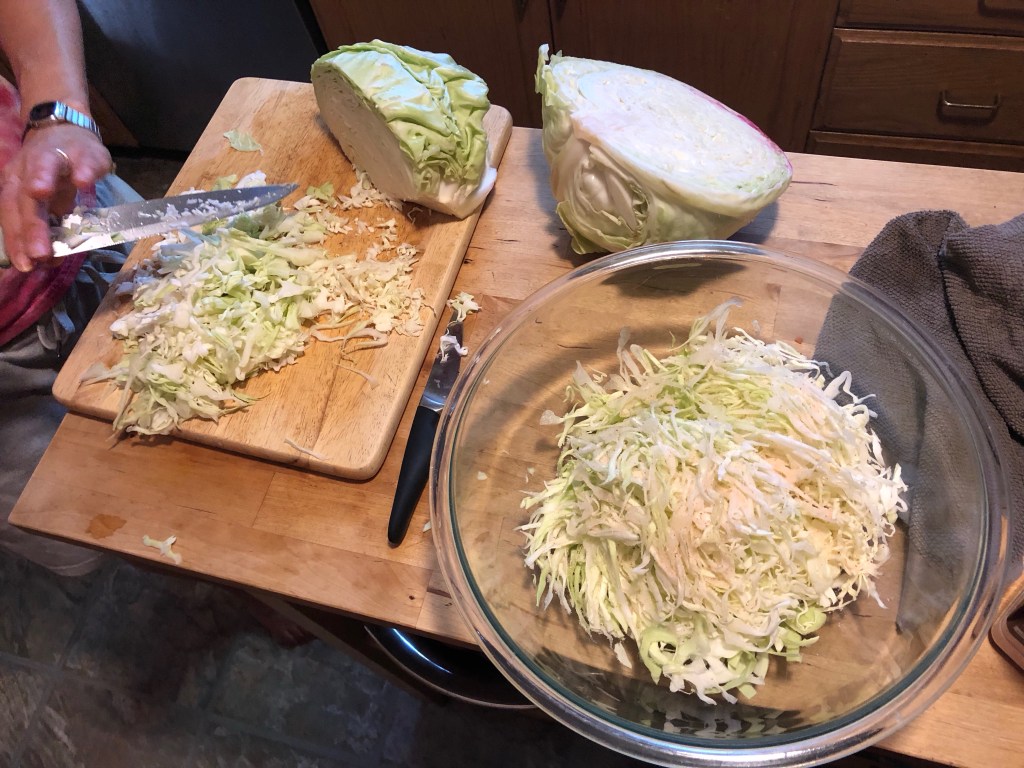
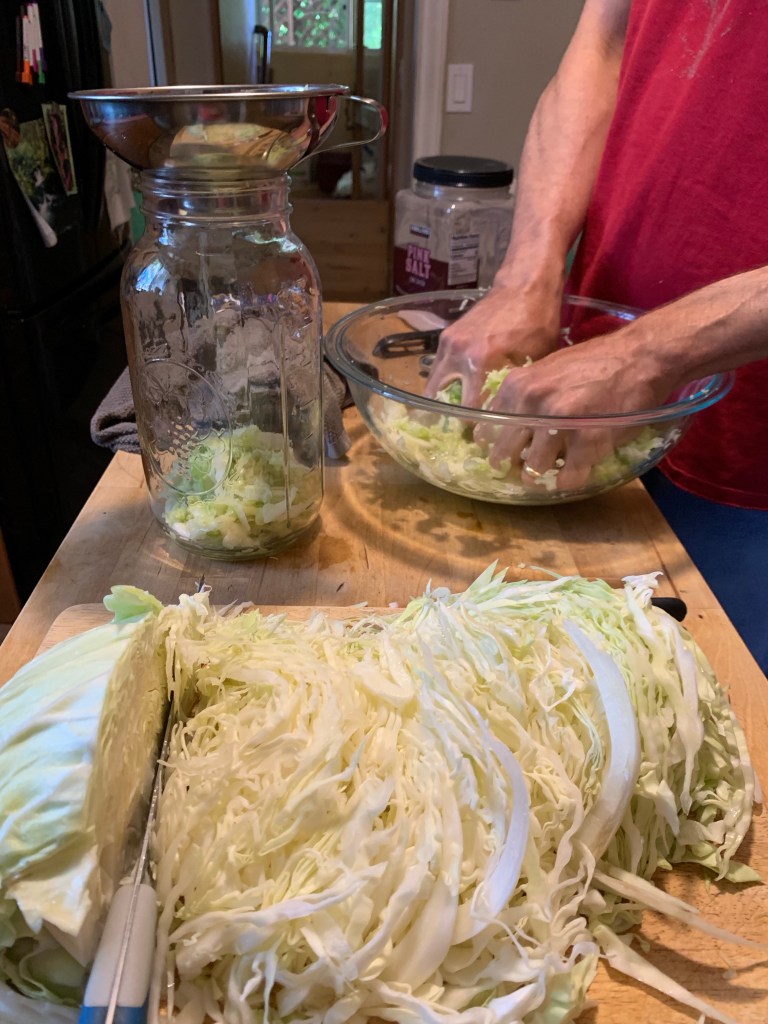
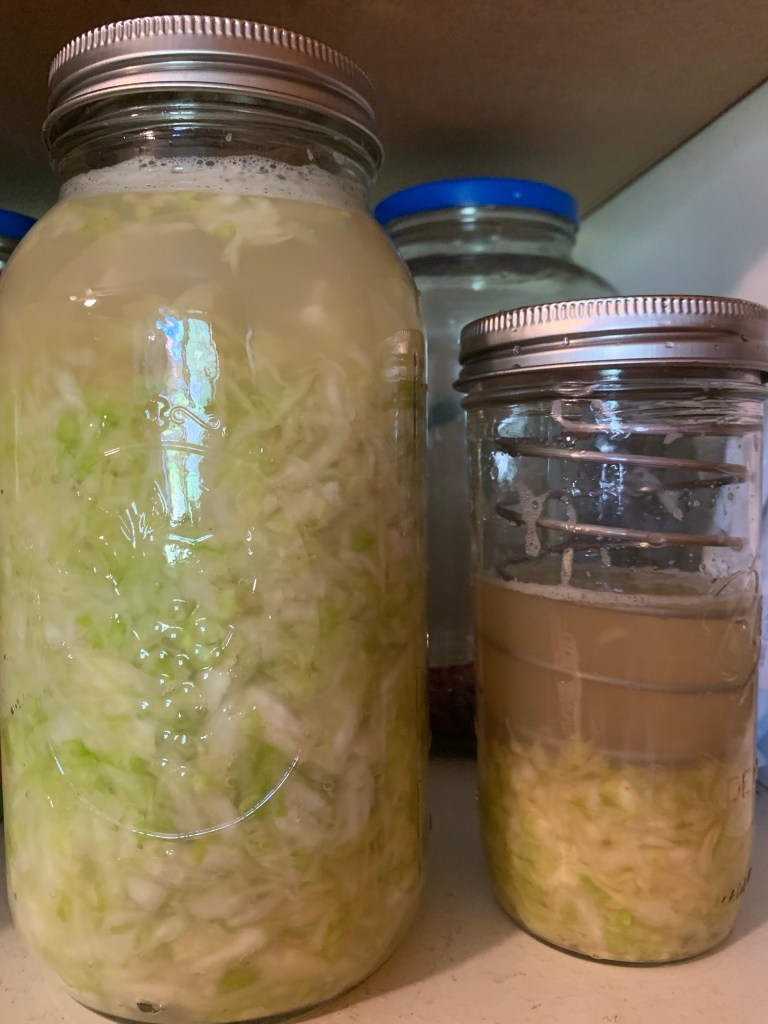
Fortunately, making sauerkraut is not very hard to do. I received a little birthday money as a gift and bought some sauerkraut making mason jar lids (stainless steel, I hate plastic, I avoid it as much as possible). I started channeling my inner Ukrainian.
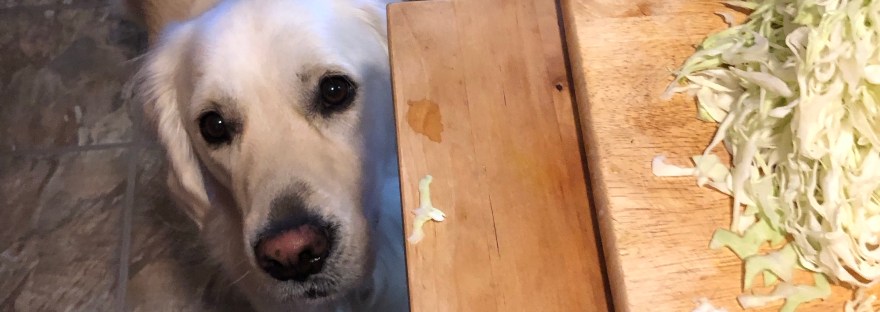
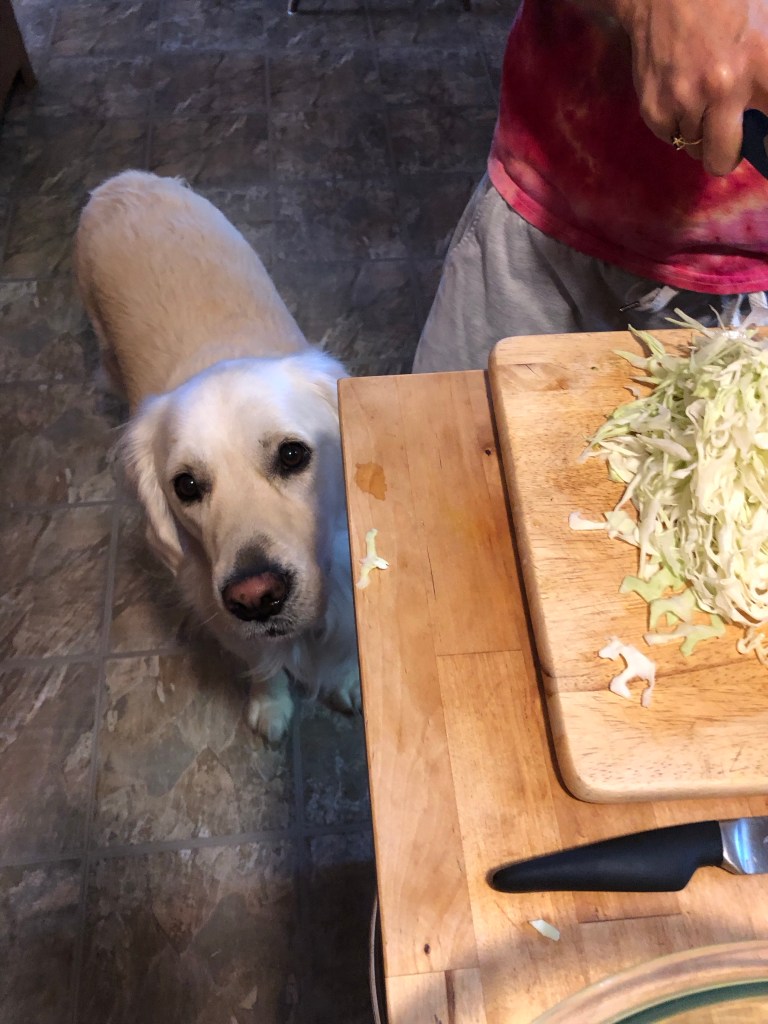
Yukon loves cabbage! He was quite excited about the process and quickly gobbled up any cabbage spills.
You just have to chop up the cabbage. Add a tablespoon of salt per 2 pounds of cabbage. Massage it in a bowl until it’s soft, and the juices are released. Put it all in a jar, with all the cabbage under the fluid (our kit has a spring to hold it down), and in a month, you have fresh sauerkraut full of good BACTERIA!
The only problem is I have to wait a month for it to be ready. But I suppose, if that’s one of my complaints, I’m doing alright.
It’s something that I think of quite frequently these days. I’m mean, doctors have seen some horrific things due to bacteria, so a bunch of it is very justified. But I feel bacteria is not fully understood, and medicine just takes the approach that they normally do, and nuke the heck out of it.
I’ve thought vaguely about bacteria for a while, but I really started contemplating about it at the beginning of the year. My dog Yukon had a medical procedure, and they put him on antibiotics afterward. As I mentioned in a few other posts, I had been working with the garden soil, which involved a lot of manure.
Yukon does not eat manure, as some dogs do. I was spreading it around on the ornamental plants in the front yard, where he spends a lot of his time. He had been taking antibiotics for about 7 days. All of a sudden, he started chowing down on the manure.
“That’s weird” I said to my wife.
I started thinking about, when he was a puppy, he had an infection and the vet put him on antibiotics. He snacked on some manure while we would go hiking, that time as well. Those are the only times he has eaten manure. He ignores it the rest of the time. And believe me, I still spread it around a lot.
What are his animal instincts telling him?
I have a few cancer theories, and gut bacteria being one of them. Cancer develops from a dysfunctional immune system. Everyone has cancer cells, but most people’s immune systems wipe it out. Your immune system comes from your gut. Wouldn’t it be logical that people who have cancer (or other health problems) have a significant problem with their gut?
Our gut should be like healthy garden soil. Full of life and diversity. I do believe that most intestinal troubles, weird unexplained rashes, chronic inflammation and maybe autoimmune diseases are all from your gut being out of wack.
I know I personally was exposed to way too many antibiotics, as well as a lot of other environmental toxins. I felt like any time I went to the doctor with any sickness, I was prescribed antibiotics. “It’s most likely a virus, but take these antibiotics just in case.” It took me too long to stop and think about the side consequences of taking so many.
I also find it curious, that veterinarians seem to be very pro probiotics, especially after a course of antibiotics, and will even prescribe probiotics for an animal.
Try to ask a human doctor, especially an oncologist about probiotics, and in my experience, they put on their politician face and dodge the question or try and pass the buck. It’s very frustrating.
To be fair, there are some doctors who are currently studying gut bacteria and the system on a whole. It also seems like the studies are picking up steam. There are even some studies from hundreds of years old. Ever hear of yellow soup from ancient Chinese medicine? It’s worth a google search and read, if you aren’t squeamish (dogs are definitely not squeamish about it).
I came across a study earlier in the year, unfortunately I can’t find it anymore. It was talking about the relationship of a healthier gut micro biome and people achieving MRD negative status from a stem cell transplant. People who had a better gut were more likely to be MRD negative. After reading that, I started eating probiotics foods prior to my transplant and started eating them again as soon as it was safe for me to do so afterwards.
While trying to find the previously mentioned study, I came across this one. Memorial Sloan Kettering Cancer Center wrote this piece, “Fecal Transplants Boost Helpful Microbiota for Stem Cell Transplant Patients”. Basically, if you don’t want to read it, people who had a more diverse micro biome recovered better. It also said people who had an allogeneic bone marrow transplant (donor stem cells), and had a fecal transplant, didn’t suffer as much of graft vs host disease.
That’s huge!
I actually had a chair next to a guy one day at Stanford, who had graft vs host disease from an allogeneic transplant. As I mentioned, they only have “privacy curtains” between the chairs, that don’t really provide much privacy. I saw the guy’s pictures of his rash. I went back to the apartment that day and read up on graft vs host. I could tell he had it severe, and his odds of being alive in the next six months we’re not very high.
Would a fecal transplant from himself, collected prior, saved his life? Possibly. If it was an option for myself, although I did well, and I had an autologous transplant, I would have given it a shot just to increase my odds.
Sometimes, I wonder whether a drug works for you or not, or how well it works for you depends on your bacteria in your gut? Chemotherapy eventually is no longer effective for you and they have to switch to another kind. Is that because your body/cancer just got used to the chemo? Or is it because the bacteria in your gut that helps process it is no longer viable or around? It would be a fascinating study.
But I don’t believe it’s as simple as popping in a bunch of probiotics.
“Take this pill, with 6 ka-gillion beneficial bacteria per pill, and all your woes will be cured!”
I believe you can have too much of certain types of good bacteria in you as well. I also feel, a hunch, there are things like micro bacteria, like micro nutrients, that are supposed to exist in your gut. Too much of any bacteria including good ones, don’t leave room for the lesser bacteria.
I don’t know about you, but my neutrophils are high enough, so I’m going to keep imputing good bacteria from probiotic sources such as yogurt, sauerkraut, beet kvass and whatever else I come across (diversity!) and pop an occasional probiotic pill. Couple that with continuing to eat lots of vegetables for the bacteria to thrive, let’s see what can happen. The bacteria battle is constantly happening within me, between the killing (chemo) and the replenishing.
Wouldn’t that be something. The cure for so many diseases, including cancer, would be a bacteria transfer from someone with a healthy intact gut (maybe from someone from 200 years ago or an Amish person). Something that is free and flushed away every day. (I’m not advising you to DIY).
Now that’s something that would keep up pharmaceutical companies at night!
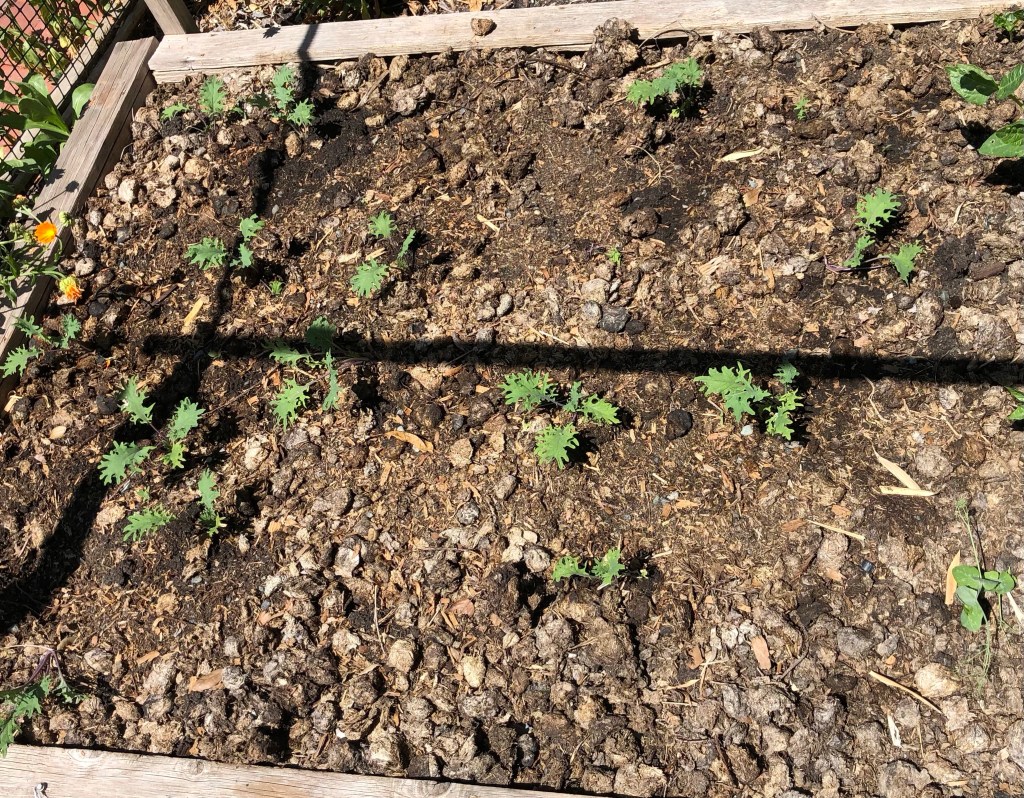
I spent a bit of time working on the soil in the garden this winter. I looked at the existing soil and could tell it needed some work. I like to see my soil alive with worms and bugs. Where life is happening, it’s usually a good thing. I added a ton of self made compost and manure (the manure wasn’t self made 😜). With those things, came a lot of worms and bugs.
Digging my bare hands into the earth of the garden bed and I could pull out a good handful of worms. When I could see that, I knew we were in good shape.
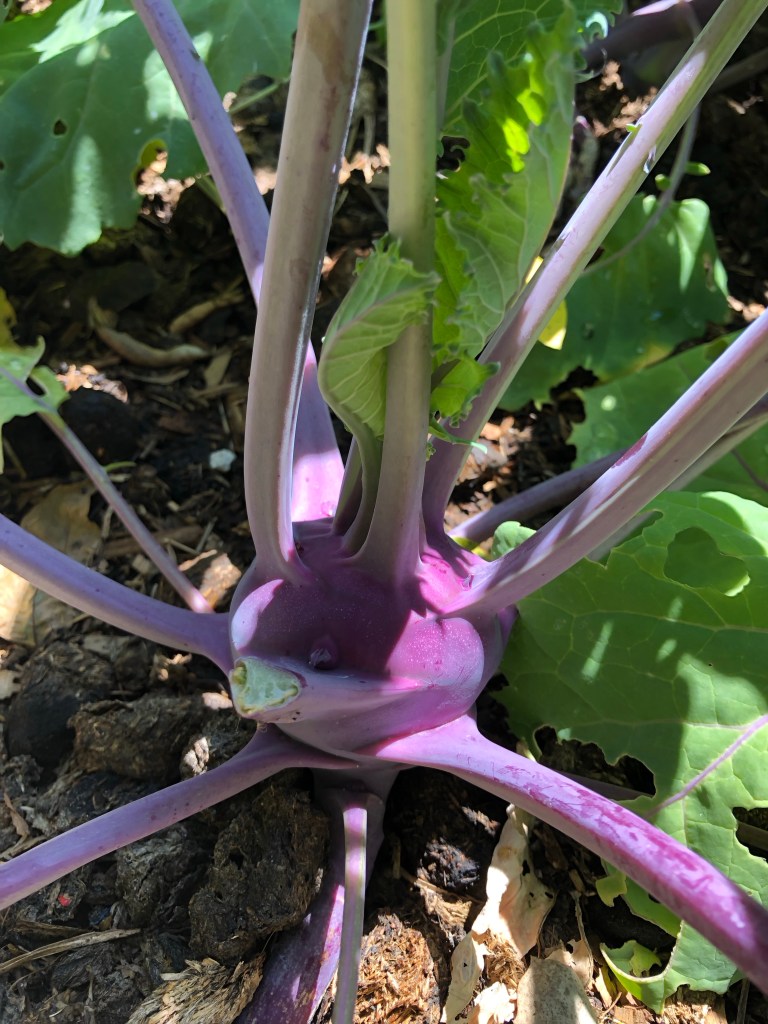
I started some kale, purple mizuna and purple kohlrabi in late winter. I planted them in the garden right before my transplant, hoping to have some good nutrition out of the garden afterwards when I got home.
Mizuna is high in many vitamins, especially vitamins A, K and C. It’s also a good source of calcium, iron, and antioxidants. Kohlrabi is an excellent source of vitamin C and a good source of fiber, vitamin B6 and potassium.
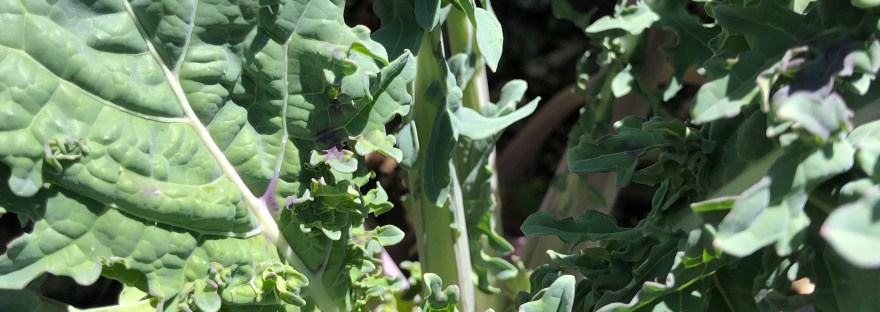
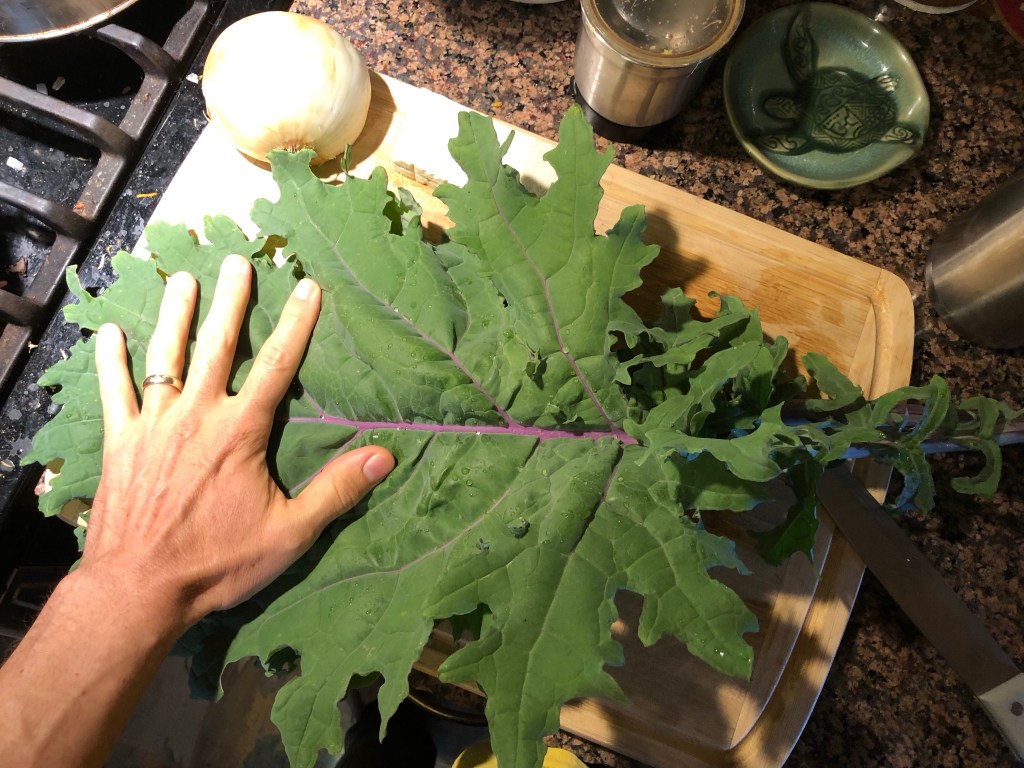
The kale had gotten mature enough to harvest about a month ago. I picked some today for lunch and holy cow, the leaves were enormous! It’s the biggest kale I’ve ever grown. Maybe some of the biggest ever grown for the variety?
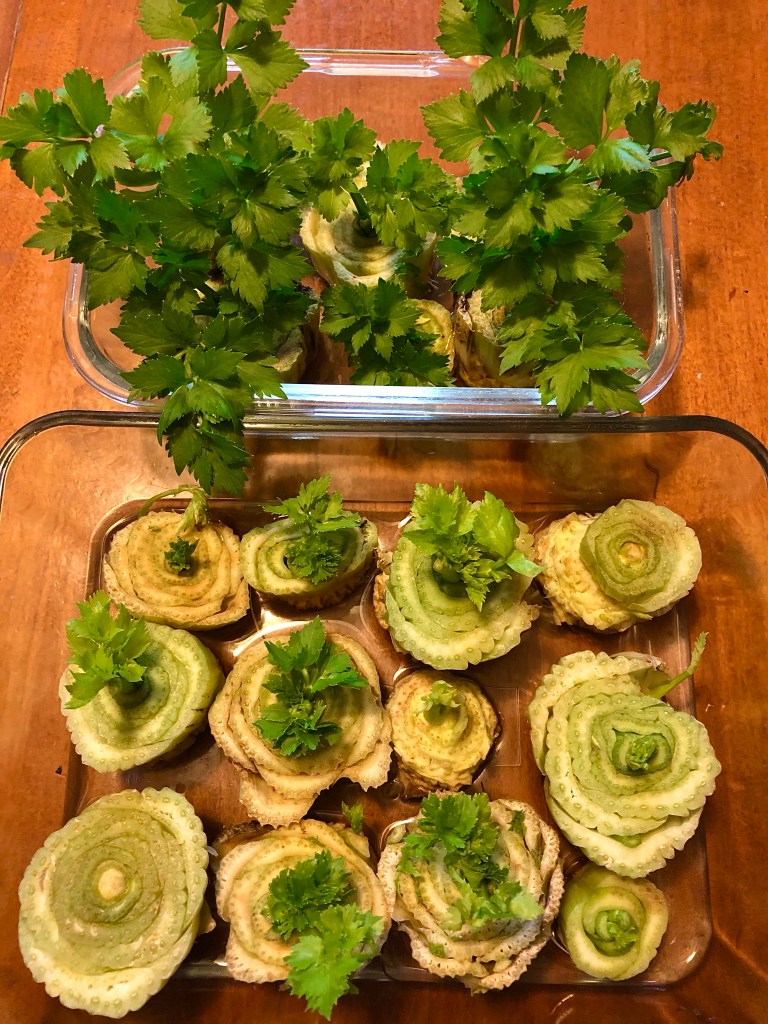
The cutting board is 18×13 and I don’t have small handsThe next generation of kale is on the wayThe kohlrabi is starting to bulb up. The leaves are really tasty to eat as well, they kind of remind me a bit of taro leavesInspired by last years successful celery grown in the garden, we are starting a bunch indoors from celery ends and then planting them in the garden when they are big enough
I had a simple strategy for my stem cell transplant. I thought about the procedure for a little while, and this is what made sense to me. For me, it’s all about increasing odds and outcomes. I viewed this transplant as a major ordeal for the body. You wouldn’t get off your sofa and do a decathlon! Why would it make sense to get off your sofa and do a transplant? I went into transplant training.
The procedure in its essence is killing off your bone marrow and therefore your blood as well. Trying to wipe the slate clean. It is regrown from stem cells that were collected from yourself previously.
My step one, thinking about it logically, I wanted to have the highest quality possible of stem cells that were going to be collected. After all, this little bag of stem cells is what was going to regrown all my marrow.
I’m a huge plant person. Growing plants isn’t complicated. Give them the nutrients, light and water they need in the right amount and they thrive. Humans aren’t much different.
I wanted to spam myself with nutrition. I tend to do that all the time, but I made an extra effort. Your food is your cell’s building blocks. Healthy grains, berries, a rainbow of vegetables, lentils, healthy proteins and oils. Diversity is the key.
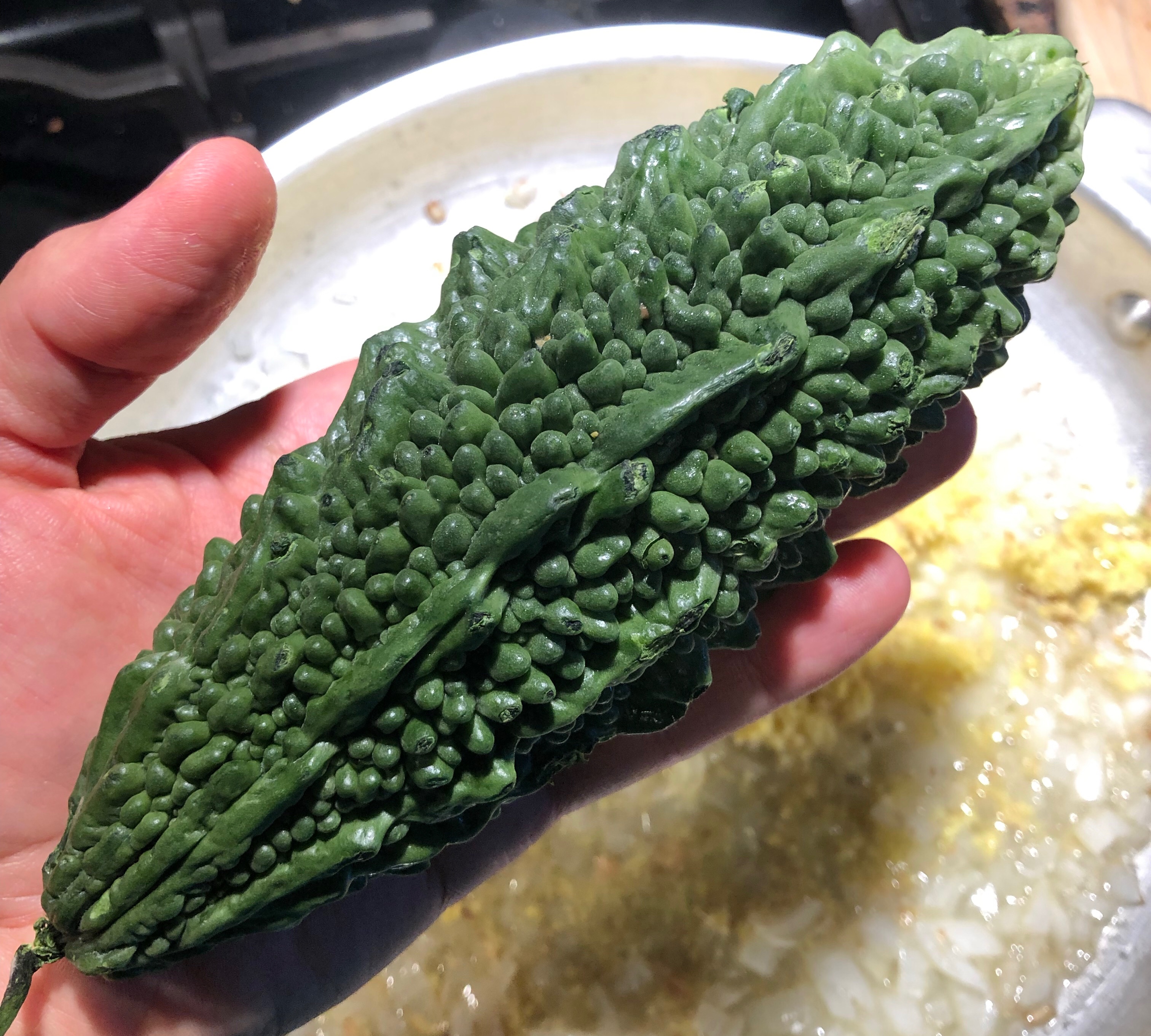
(👈🏼 Bitter melon is great for detoxing your liver, yes, it’s very bitter).
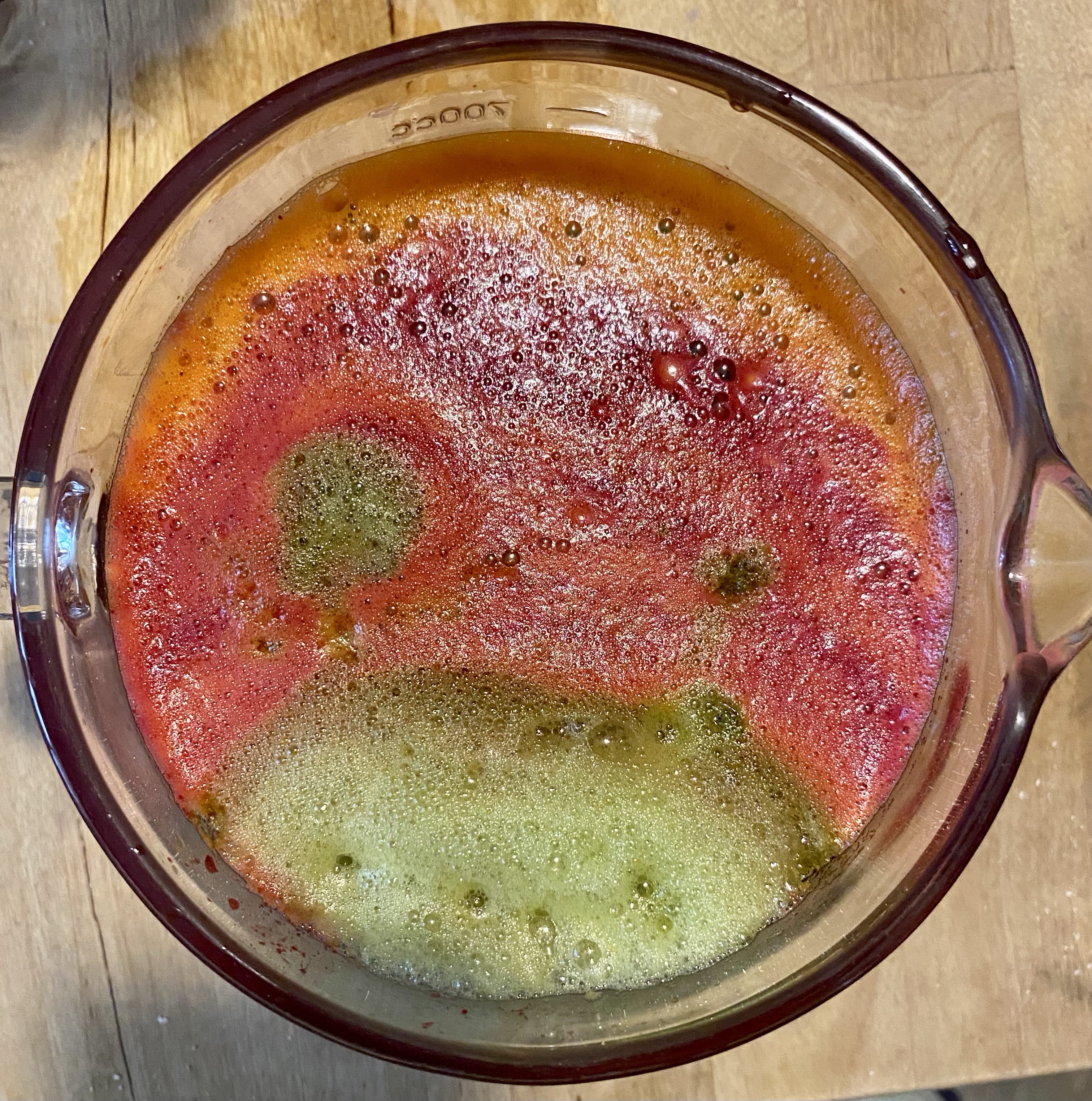
Second, I wanted to detox my body as much as I could, from all the chemo and drugs I had done. I mainly did this using a little personal infrared sauna. I sat in the sauna daily at 170 degrees and let my body sweat out the junk it could. Besides the big nutritional benefit of fresh vegetable juice, it also detoxes your organs, particularly the kidneys, liver and intestines.
Thirdly, I increased my exercise regiment. Walking, running, weight lifting and exercise biking. I also made it a priority to go hiking for miles, as much as I had time for. Sweating and heavy breathing, helped detox. Increased breathing, increased oxygen for my cells. Plus, hiking in nature helped my mental facilities and forest bathing can have a positive effect on cells.
Fourthly, I needed to work on my mental game. I increased my breathing, meditation and Qi gong. I felt it was important to have a level calm head, so I could overcome the mental lows that I knew were coming up. I went over breathing techniques in my How to stop freaking out post.
Meditation is the best way to keep control of your mind. Early in my cancer journey, for some reason, I was resistant to meditation. I kept hearing how beneficial it was, and I eventually overcame my resistance. It was the single biggest reason for my mental U-turn out of cancer negativity. I highly recommend learning a simple practice and doing it daily. Qi gong is kind of like a walking meditation (I’m planning a series of posts on Qi gong upcoming).
I also feel that the power of music is underestimated. I worked on creating a playlist of uplifting and positive songs that I could listen to. When you’re down in the dumps, sometimes music can help flip your script. I ended up with a wide variety of genres that clicked with me. I used it to get my positive vibe up, especially while cooking (didn’t you know food tastes better if you dance while it’s cooked?) Although, during the transplant, I mostly listened to my favorite pianists, Ludovico Einaudi and Helen Jane Long (Ludovico’s songs Ascent Day 1 and Nuvole Bianche are epic).
So these were my pre transplant regiment. During transplant, I once more wanted to keep up as much as I could on the nutrition. This was the building blocks of my new cells. I wanted to create good tissue and give my cells what they need to thrive. I was really excited when they said I could drink fresh vegetable juice, I drank it daily.
Besides the vegetable juice, it was also imperative for me to keep up on my fluids. Drinking was also a challenge. I drank water, coconut water and bubbly mineral water for the minerals and it helped with the nausea. I also asked for if fluids every day whether I needed them or not. Certainly high dose chemo is highly toxic itself and the fallout from it is a lot of dead cells. I wanted to flush things out as much as possible once the chemo was done doing its job. You have to protect your kidneys!
(A juice man created by my daughter 👉🏻)
Having my GI tract destroyed was a challenge for wanting to eat anything. I mostly ate my normal breakfast just in a smaller portion. Mung beans and vegetables for lunch and whatever I could get down for dinner (by dinner I usually wasn’t interested in eating at all). I do feel like having the wholesome diet helped a lot with not having extreme nausea and keeping my blood and electrolytes up.
It was also important for me to keep moving every day and get exercise through it. After breakfast, I would do my Qi gong exercises. I would then take a rest and then no matter how tired I was, I’d scrape myself off the sofa and go walking in the park every day. I do believe movement is life and if you want to keep living, keep moving.
I’ve gone back to my pre transplant regiment except for the sauna, which I’m not allowed to do until day +60. I have random pain in some of my tissue, which can be a sign of toxicity. I’m looking forward to some good sweating. My GI tract went back to some semblance of “normal” at around day +27. The doctors and nurses keep telling me how good my blood numbers are. I feel like I got through it easier than some people, from reading their stories.
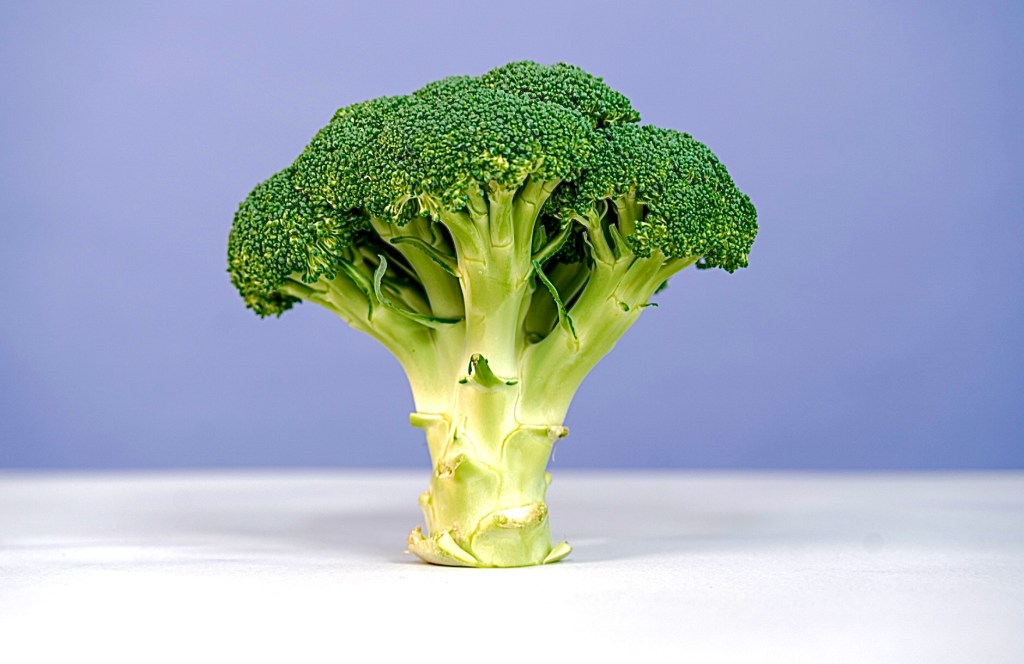
This is my strategy, I guess we will see where the chips end up. If the myeloma is going to thrive through all this, it’s going to have to do it eating broccoli.
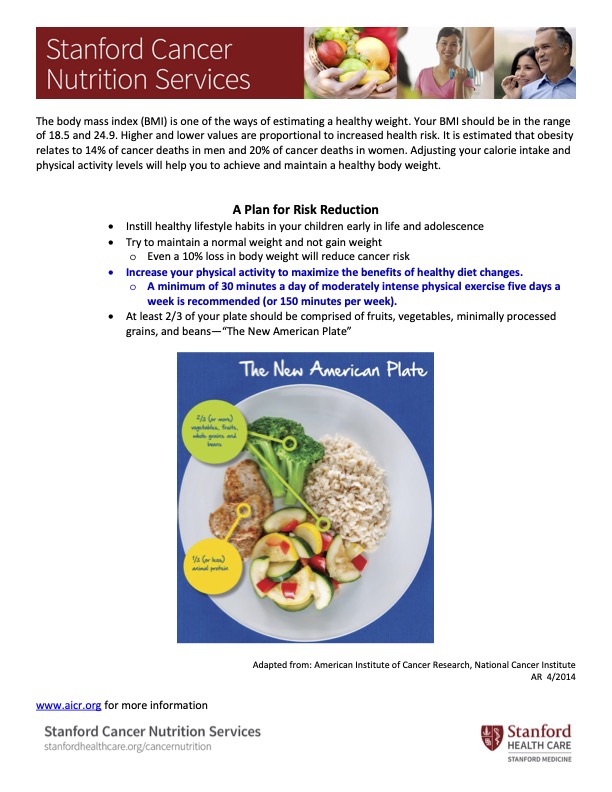
I was on my way out the door from Stanford a few weeks ago, and I was given this document about nutrition. I must confess, I rolled my eyes a bit and said sarcastically, “this ought to be good”.
To be fair, the nutritional advice that I got from my regular provider is “eat a bunch of doughnuts to gain some weight”. Also, during my transplant, I don’t know how many times I was told to eat ice cream and drink gatorade (which I didn’t do). So, I was expecting more of the same advice as I was on my way out.
I started reading and my jaw hit the floor in shock. I told my wife, “Wow, this is actually really good”. It’s so good, that I wanted to share it with you.
It’s solid advice whether you have cancer or you want to avoid getting cancer (or other chronic illnesses). I feel if all Americans adopted this diet, 75% of illnesses would go away or be prevented automatically.
One of my favorite lines from it is, “At least 2/3 of your plate should be comprised of fruits, vegetables, minimally processed grains, and beans”. I think most people’s plates are the opposite or worse. Observe what your plate looks like at your next meal.
I’m sorry, I debated with myself about posting more about this. Part of me doesn’t want to talk much about this anymore, but there was a thought I had, that I forgot to put in first time. So here we go…
82 grams of sugar per serving still just blows my mind. First, I would like to establish that sugar is not a main food item. Sugar is in the category of flavor enhancer, improver, almost like a spice but not quite. It’s something to add to something else to make it taste better. No one sits down with a bowl of sugar and just eats it.
Ok, now let’s imagine that we have a drink and we replace the 20 teaspoons of sugar with 20 spoons of something else.
First, let’s replace the sugar with 20 spoons of salt. Could you even find a person who would drink something with 20 spoons of salt? What would happen? According to Wikipedia: “Eventually the blood’s sodium concentration rises to toxic levels, removing water from cells and interfering with nerve conduction, ultimately producing fatal seizure and cardiacarrhythmia.”
Ok, that doesn’t sound very good!
Let use something that is good for you. How about Vitamin C? Our bodies don’t produce it naturally, so we need an external source. 82 grams, huh……ok, a person’s body can ingest about 10 to 12 grams, without negative effect. So about 1/8 of 82. Once you go over 10 to 12 grams, you experience diarrhea and vomiting. I’m not sure what would happen if you drank 82 grams of vitamin C in one go?
Certainly they have high dose IV vitamin C which bypasses your gut. I’ve had it myself. Without a properly trained doctor, that starts around 50 grams and ramps you up to the 80 level, you can die from it.
82 grams of cinnamon? 82 grams of oregano? 82 grams of cumin? 82 grams of Reishi? 82 grams of Chili pepper? Do you see my point? How insane 82 grams of sugar in a drink is? People only do it because it tastes good, but I promise you there are health consequences, just like ingesting 82 grams of anything else.
I’m going to rant on this post and be very sarcastic. I came across this article today, published by Slate: “Is Panera Bread Trying to Kill Us?” (Yes, they are, but not any more than any other fast food place)
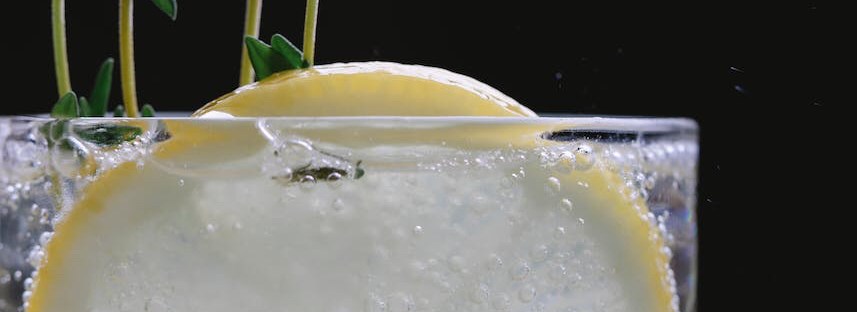
In the article, it states about a drink that Panera serves, “you can send your body into orbit with a Charged Lemonade, an equallyfeared and loved beverage that contains no fewer than 260 milligrams of caffeine and 82 grams of sugar.”
This story became a thing, because of a woman who decided to do her work at Panera because it was a quiet place to work, and she could get unlimited drinks for 12 bucks a month. She was drinking these things, feeling so alive and full of energy, and didn’t figure out why until her husband paid attention to the nutritional content and was alarmed by what he found. The woman was aware of the posted nutritional content provided by Panera, but didn’t pay close attention. She posted on Tik Tock, “somebody at Panera gon end up getting sued.”
After learning of the caffeine and sugar content, the lady decided that she would still drink it, but water it down to 70/30.
All I can say is WTF?!?!
Starting with, why the hell did Panera make this thing to begin with? Oh gee, that’s easy, to make money off of it. Not much more addicting that sugar and caffeine. They clearly don’t care about your health.
Second, “somebody at Panera gon end up getting sued.” Umm…..is Panera strapping people to chairs, force-feeding them with a tube of this drink?
I hate, how people will not take responsibility for what they put in their bodies!!! It ticks me off! It’s not my fault what I eat! I couldn’t possibly have any control over what goes in my mouth. It just floats in there while I sleep!
Thirdly, this woman is still going to drink it, just watered down a bit??? Let me do the sugar math for you so it’s easier to understand for most people. There are 4 grams of sugar per teaspoon. There are 82 grams of sugar, per Panera drink. That is 20.5 teaspoons per drink!!! TWENTY SPOONS OF SUGAR! Well, that sounds pretty bad, I better do only 70%. 82×70%=57.4/4=14.35. 14 teaspoons of sugar, well that’s much better.
Oh crap, wait! According to our amazing government, that keeps Americans healthy and trim, they recommend Americans consume only 12 teaspoons a day. Shoot, I guess she should only do 60%. Damn, I forgot Panera has free refills. Hmmm…. People’s willpower vs. caffeine and sugar. Wonder who will win that one?
(Just FYI, “The American Heart Association recommends limiting added sugars to no more than 6 percent of calories each day. For most American women, that’s no more than 100 calories per day, or about 6 teaspoons of sugar.”)
I can see into the future and glimpsed her at the doctor’s office with two outcomes. “You just had a massive stroke at the age of 30. We don’t expect you to live much longer.” OR “You have cancer. We don’t know why you have cancer, just bad luck, it’s pretty random who gets cancer. We don’t expect you to live much longer.” (Hmm, maybe she should have gone 30%)
I’m just shaking my head. Good luck, lady. I’m glad you are having your moment of fame. Best wishes.
The word SUPERFOOD. It is used way too much, thrown around by marketers. According to them, everything is a super food and we should all be super, but for some reason we are all fat, sick and dying.
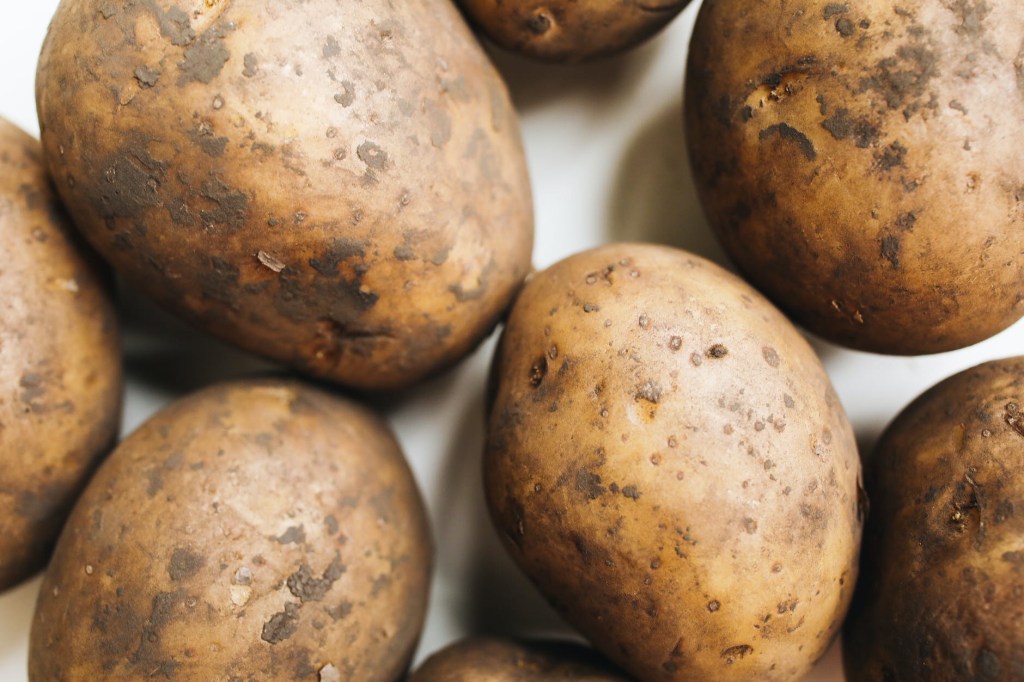
I saw on a potato box recently, “Super food Potatoes!”. POTATOES are not a super food!!! They are super at filling up your stomach if you’re starving, and they taste good, but there isn’t a lot of nutritional value.
As a general rule I have about my food, is that it has to be Organic. There are too many chemicals out there in the food industry for me to trust. Countless chemicals are banned in Europe and other countries, that the US allows. Organic is always better than non organic, but I don’t know what’s available where you live. As long as you are keeping it real with yourself, do the best youcan and don’t stress about it (as you know, stress is horrible for you).
I generally eat everything cooked and not raw. I know there is some debate out there over that, when it comes to anti cancer diets. This is the logic that I subscribe to. Cooked food is broken down and more easily digestible. You do lose a bit of nutritional value in the cooking of the food, but if you are absorbing more of it, I feel you are better off. Plus, I can’t think of one person who is on chemo, whose gut bacteria and digestive system isn’t being nuked. Easier to digest equals big win for the digestive system and you.
Generally, the only thing that I eat raw, is vegetable juice, which has broken down already by the juicer and there is big loss in benefit in heating the juice.
Breakfast
I make a mix of oatmeal, amaranth and quinoa as my base. Oats help renew bones and connective tissues. They help with digestion and help remove unwanted things on their way out. Amaranth is an ancient Latin America and African seed. High in protein and vitamins. It has the highest protein content out of grains (although technically not a grain). Quinoa, generally strengthens the whole body. A good source of Iron, B vitamins and vitamin E.
Quick side note on iron. Iron can stimulate tumor growth. Iron based supplements should only be taken with a doctor’s guidance, to know if you are deficient (I’m personally not in favor of iron supplements). I think it’s been pretty well proven at this point that red meat based iron can easily feed cancer cells, because it’s very absorbable. Plant based iron is not well absorbed, so therefor a good source of it for people who have cancer.
We need iron for our red blood cells, hemoglobin and oxygen transfers. I have had my iron tested and I’ve had no negative consequences from my plant based iron intake. My hemoglobin has always looked good (knock on wood), despite it normally being a myeloma challenge.
Sorry, back to breakfast. One cup of cooked amaranth contains nine grams of protein with quinoa not far behind. Protein among other things, is essential building block for your immune system. I’ve had numerous chemo nurses and alternative doctors (both usually from Asia), grind me about getting enough protein. Both saying, “the ones who usually make it from cancer (and more recently from covid), are the ones getting sufficient amounts of protein”.
An adult male, according to our wondrous USDA, needs about 50 grams of protein a day. Breakfast is a good place to start.
I have my base of oatmeal, quinoa and amaranth. I soak about ten almonds overnight. I take off the skins in the morning and add that to the pot. Removing the skins makes them easier to digest (I bet you’re starting to notice a theme). Almonds are nutritional and body building. The skins taken off feel like rough paper, no wonder they don’t digest well.
Nuts on a whole are nutritional, but are hard to digest, so I’m cautious with them. Sometimes, I’ll add in some walnuts (anti cancer), but they are very acidic, and are one of those foods that can throw a person’s body out of balance (not that I’m in balance, aiming to be), from the perspective of Ayurveda (doshas) or Chinese medicine (yin/yang).
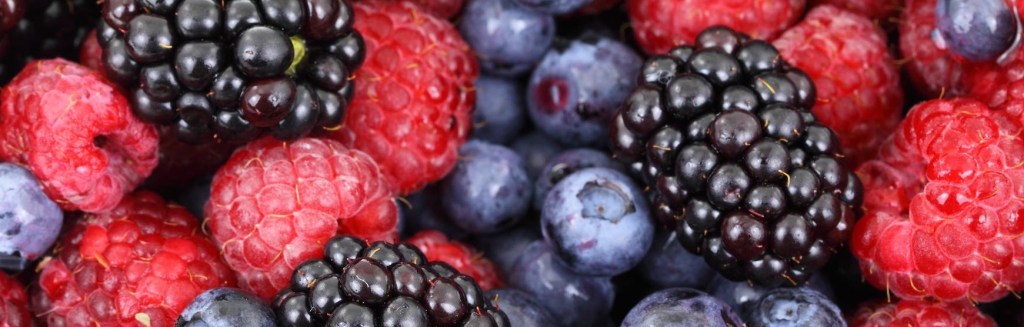
In a separate pot, I’ll make a stew of Goji berries (iron, blood building, antioxidant), blueberries, blackberry and raspberries (antioxidants). Sometimes, I add in some seasonal fruit for variety. I’ll add some spices, notably, ginger, a digestive aid, among just being awesome. Through all my treatments, I’ve only be nauseous a couple of times and that was when my intestines were getting blasted by radiation (I don’t know who wouldn’t be nauseous from that!). I owe it all to GINGER. It’s amazing stuff, anti nausea, appetite builder, digestion aid, fever reducer and phlegm remover among other things. I drank pots of freshly made ginger tea when I had Covid and I feel it’s a large reason why I skated through the Covid infection so easily.
Next, I will freshly grind a bit of chia seeds and a good amount of flax seeds. I could classify flax as one of the mother of all super foods. These little buggers are incredible. Loaded with vitamins and minerals. They are one of the richest sources of omega 3 fatty acids, which improve immunity and clean the arteries and are a must for this diet. I freshly grind them each day, because of the oil in the seeds can become rancid after a few days and it’s just so easy to do. Also, without grinding, they would just come out the other side whole and I wouldn’t receive any benefit.
Lastly, I scoop out one tablespoon of coconut oil as a healthy fat. A few years ago, my primary doctor wanted to check my cholesterol (probably to see if I could be put on cholesterol medication). I thought it was stupid, no way I have a cholesterol problem, with the way I eat. The test came back, and it turns out I did have a problem. It wasn’t with bad cholesterol, I didn’t have enough good cholesterol! (Although, I didn’t hear that from my doctor). Daily healthy fats are essential.
I mix it all together and breakfast is served! High nutrition and body building, two things I need. Please join me.



 Carrots Over Cancer