Blog

My CAR-T Strategy

Note: I started writing this prior to my Car-T procedure. I didn’t get it done prior, and I wanted to document the procedure as I was going through it, so this post got tabled until afterwards. So the post might be written slightly funny.

Here you go…

When I think about the Car-T treatment, a few things come to mind. I’ve come up with two main points that I’m going to focus on.

The first one would be actually getting through the procedure and the side effects from it. I’m going to follow the same strategy that I employed for my SCT. I can’t control what side effect I’m going to have, but I can be as strong and as healthy as I can be to withstand the treatment.

I’m not going to go too much into it since I’ve already written about it. I’m eating tons of vegetables and lentils so my body can have what it needs to repair and recover.

I’m getting as much exercise as I can. I have a few physical bumps and bruises from a slip from when I was hiking. That’s limited me more than I would like, so I’m not doing as well in this aspect as I would like to be.

Lastly, I’m trying to shore up my mental aspects using Qi gong and meditation. With all the potential issues that can come up, it can be mentally taxing. This process has already been going on for 2 months, with all the doctor appointments, tests, cell collection and driving in between.

I’m at the point of “just get on with it already” and thankfully that’s where I’m finally at. Sometimes I do find myself teetering between being positive and negative. So I’ve been utilizing meditation to re-center myself.
The second aspect of this procedure is the Car-T cells themselves. The cells have been edited to find and destroy the myeloma cells. But the biggest problem with the edited T cells, is they get exhausted from doing this after a certain point.

Clearly, science hasn’t quite figured out manipulating cells, because body-made cells don’t have this issue as it will just replace the worn out cells.

There have been a few articles, that I know of, written about studies talking about reversing T-cell exhaustion. Two articles that I’m going to cite were written by Healthtree for Myeloma, which is a great myeloma resource if you aren’t currently using it.

Reversing T-cell exhaustion using antioxidants

How your T-cells become exhausted in fighting cancer

Essentially, again eating well, especially eating food that are high in antioxidants can give your engineered cells new life and help them replicate.

So where can I get a high concentration of antioxidants from?

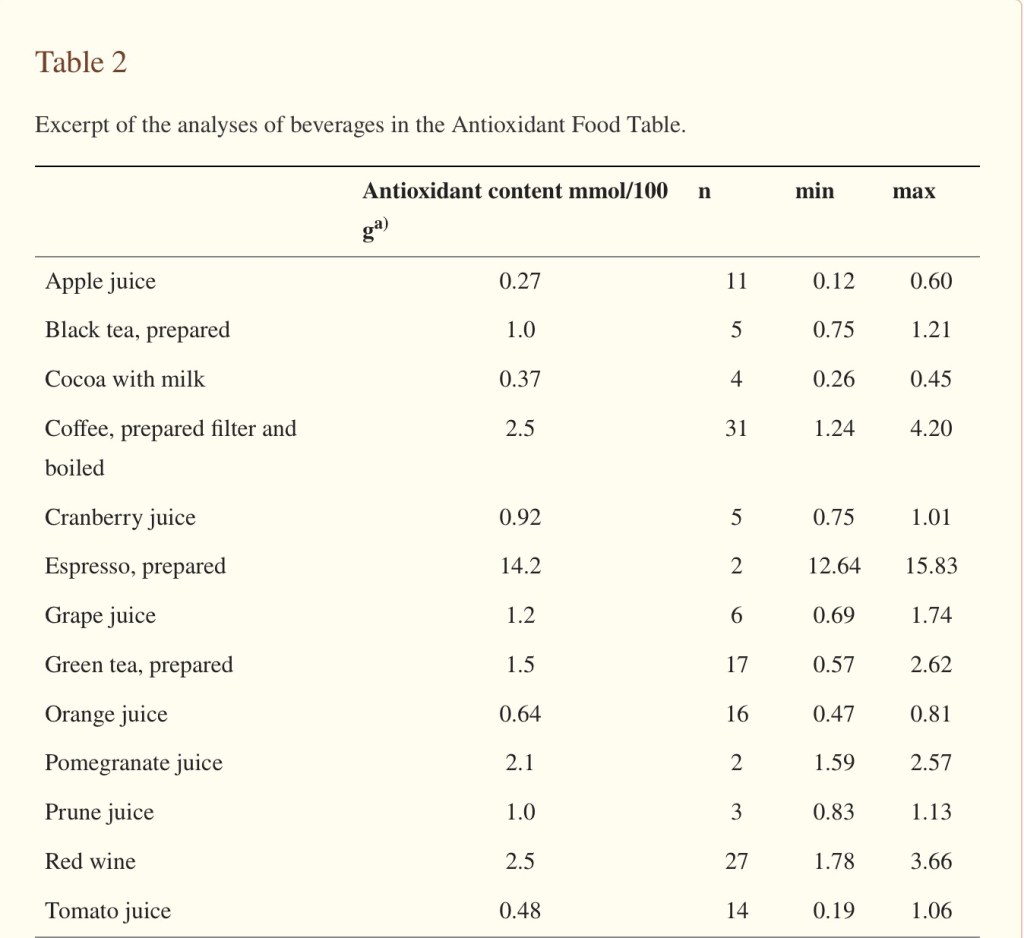
In 2010, the National Library of Medicine came out with a study of various food sources and the levels of antioxidants that were in them. They found that plant-based foods are generally higher in antioxidant content than animal-based and mixed food products, with spices and herbs having the highest concentrations of all food types. It’s a fascinating read, even if you only look at their charts.
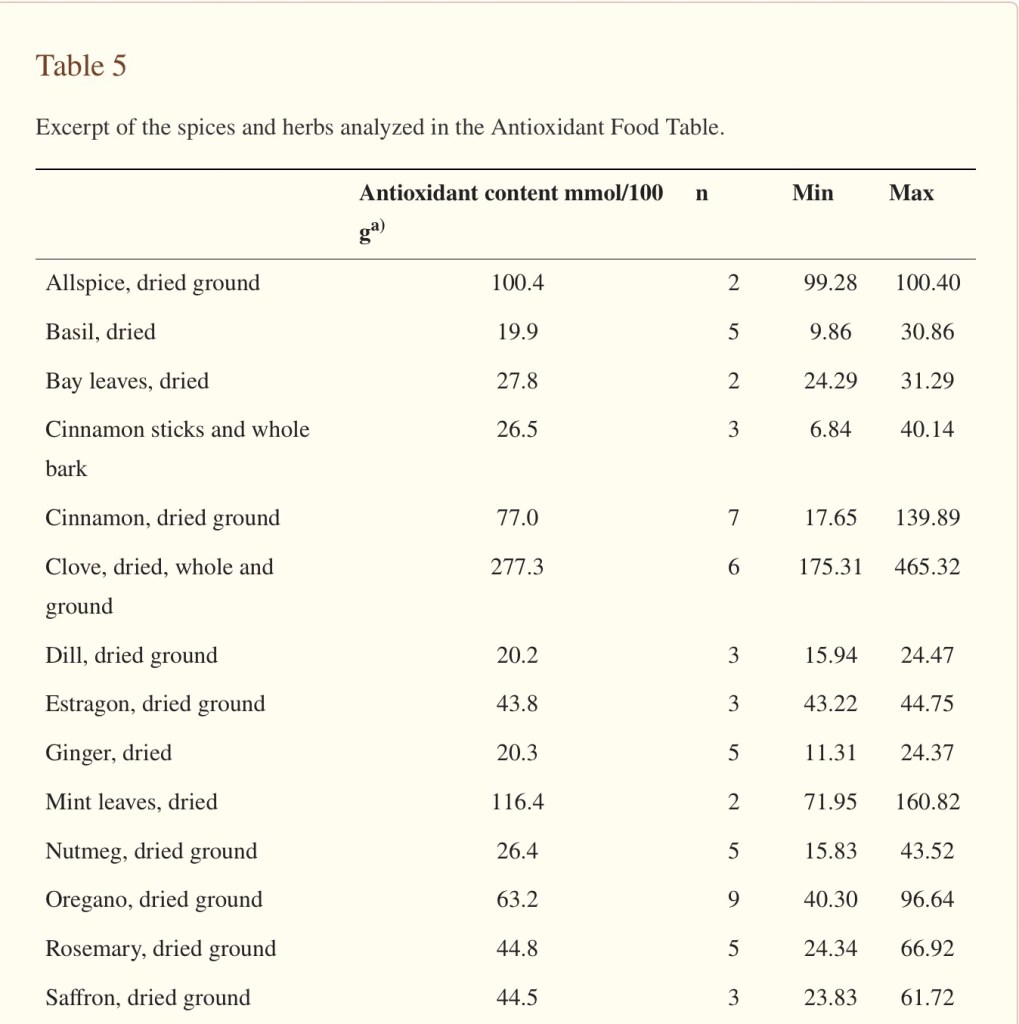
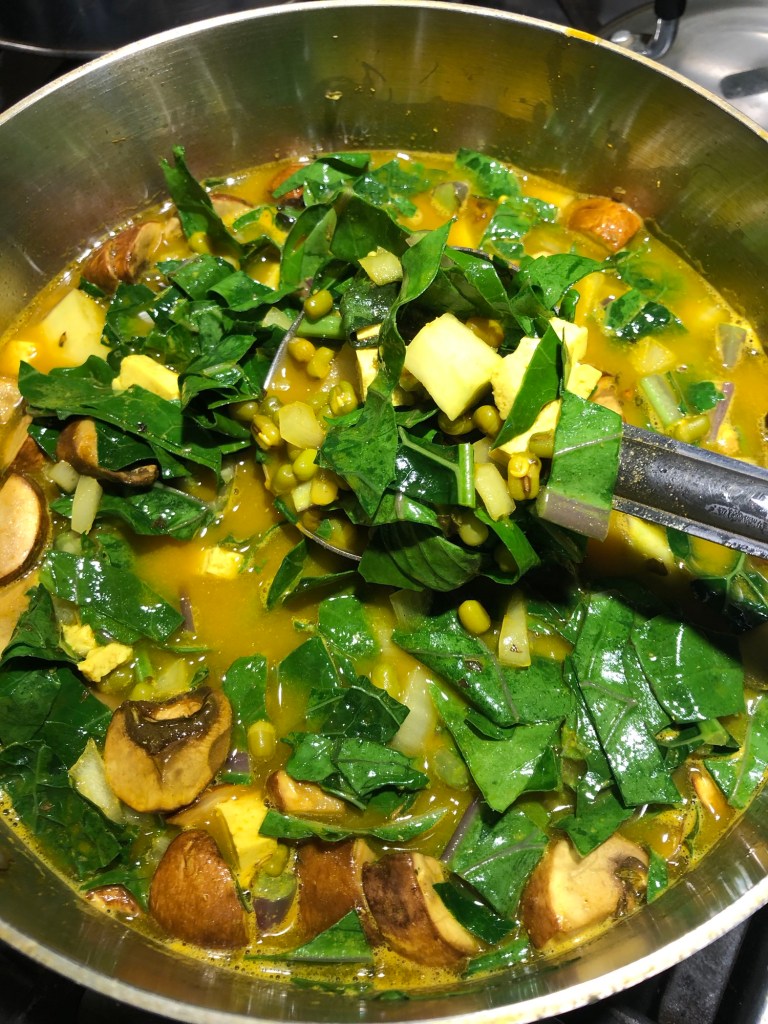
So post Car-T, I’m making sure to eat a wide variety of whole plant based foods that are quite flavorful because of an assortment of herbs and spices. I’m doing this to give my body a wide variety of antioxidants with the hope of supporting my T cells to do their best job. Besides the antioxidants, my body is receiving a tremendous amount of nutrition for further support.

None of this is guaranteed for success, but I feel like it’s giving me the best odds for success. I don’t feel as sharp mentally 🥴 as I normally do (side effect of Car-T), so I think I’ll end this post here. Maybe at some point I’ll come back and edit it when I’m fully functional again.
Nutrition

The Thing That Keeps Doctors Up At Night

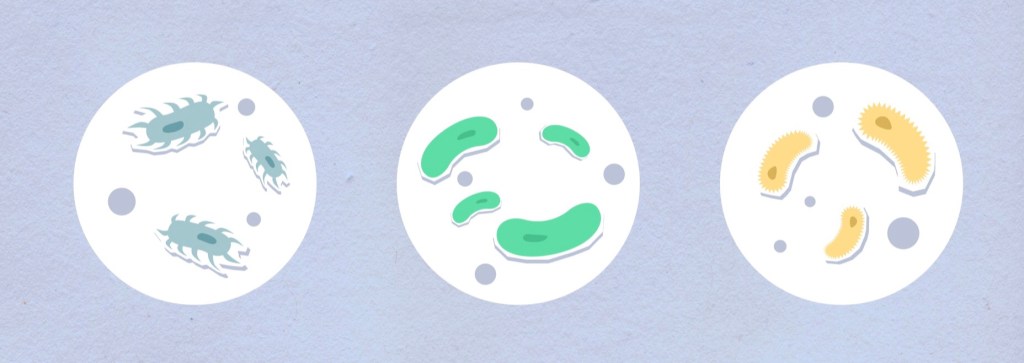
Bacteria!

It’s something that I think of quite frequently these days. I’m mean, doctors have seen some horrific things due to bacteria, so a bunch of it is very justified. But I feel bacteria is not fully understood, and medicine just takes the approach that they normally do, and nuke the heck out of it.

I’ve thought vaguely about bacteria for a while, but I really started contemplating about it at the beginning of the year. My dog Yukon had a medical procedure, and they put him on antibiotics afterward. As I mentioned in a few other posts, I had been working with the garden soil, which involved a lot of manure.

Yukon does not eat manure, as some dogs do. I was spreading it around on the ornamental plants in the front yard, where he spends a lot of his time. He had been taking antibiotics for about 7 days. All of a sudden, he started chowing down on the manure.

“That’s weird” I said to my wife.

I started thinking about, when he was a puppy, he had an infection and the vet put him on antibiotics. He snacked on some manure while we would go hiking, that time as well. Those are the only times he has eaten manure. He ignores it the rest of the time. And believe me, I still spread it around a lot.

What are his animal instincts telling him?

I have a few cancer theories, and gut bacteria being one of them. Cancer develops from a dysfunctional immune system. Everyone has cancer cells, but most people’s immune systems wipe it out. Your immune system comes from your gut. Wouldn’t it be logical that people who have cancer (or other health problems) have a significant problem with their gut?

Our gut should be like healthy garden soil. Full of life and diversity. I do believe that most intestinal troubles, weird unexplained rashes, chronic inflammation and maybe autoimmune diseases are all from your gut being out of wack.

I know I personally was exposed to way too many antibiotics, as well as a lot of other environmental toxins. I felt like any time I went to the doctor with any sickness, I was prescribed antibiotics. “It’s most likely a virus, but take these antibiotics just in case.” It took me too long to stop and think about the side consequences of taking so many.

I also find it curious, that veterinarians seem to be very pro probiotics, especially after a course of antibiotics, and will even prescribe probiotics for an animal.

Try to ask a human doctor, especially an oncologist about probiotics, and in my experience, they put on their politician face and dodge the question or try and pass the buck. It’s very frustrating.

To be fair, there are some doctors who are currently studying gut bacteria and the system on a whole. It also seems like the studies are picking up steam. There are even some studies from hundreds of years old. Ever hear of yellow soup from ancient Chinese medicine? It’s worth a google search and read, if you aren’t squeamish (dogs are definitely not squeamish about it).

I came across a study earlier in the year, unfortunately I can’t find it anymore. It was talking about the relationship of a healthier gut micro biome and people achieving MRD negative status from a stem cell transplant. People who had a better gut were more likely to be MRD negative. After reading that, I started eating probiotics foods prior to my transplant and started eating them again as soon as it was safe for me to do so afterwards.

While trying to find the previously mentioned study, I came across this one. Memorial Sloan Kettering Cancer Center wrote this piece, “Fecal Transplants Boost Helpful Microbiota for Stem Cell Transplant Patients”. Basically, if you don’t want to read it, people who had a more diverse micro biome recovered better. It also said people who had an allogeneic bone marrow transplant (donor stem cells), and had a fecal transplant, didn’t suffer as much of graft vs host disease.

That’s huge!

I actually had a chair next to a guy one day at Stanford, who had graft vs host disease from an allogeneic transplant. As I mentioned, they only have “privacy curtains” between the chairs, that don’t really provide much privacy. I saw the guy’s pictures of his rash. I went back to the apartment that day and read up on graft vs host. I could tell he had it severe, and his odds of being alive in the next six months we’re not very high.

Would a fecal transplant from himself, collected prior, saved his life? Possibly. If it was an option for myself, although I did well, and I had an autologous transplant, I would have given it a shot just to increase my odds.

Health tree for Myeloma, a really great resource if you are affected by myeloma, wrote a few posts on gut bacteria and better myeloma outcomes. I think they are worth a read. Your gut bacteria and responses to multiple myeloma treatment and Myeloma and the microbiome the proven connection.

Sometimes, I wonder whether a drug works for you or not, or how well it works for you depends on your bacteria in your gut? Chemotherapy eventually is no longer effective for you and they have to switch to another kind. Is that because your body/cancer just got used to the chemo? Or is it because the bacteria in your gut that helps process it is no longer viable or around? It would be a fascinating study.

But I don’t believe it’s as simple as popping in a bunch of probiotics.

“Take this pill, with 6 ka-gillion beneficial bacteria per pill, and all your woes will be cured!”

I believe you can have too much of certain types of good bacteria in you as well. I also feel, a hunch, there are things like micro bacteria, like micro nutrients, that are supposed to exist in your gut. Too much of any bacteria including good ones, don’t leave room for the lesser bacteria.

I don’t know about you, but my neutrophils are high enough, so I’m going to keep imputing good bacteria from probiotic sources such as yogurt, sauerkraut, beet kvass and whatever else I come across (diversity!) and pop an occasional probiotic pill. Couple that with continuing to eat lots of vegetables for the bacteria to thrive, let’s see what can happen. The bacteria battle is constantly happening within me, between the killing (chemo) and the replenishing.

Wouldn’t that be something. The cure for so many diseases, including cancer, would be a bacteria transfer from someone with a healthy intact gut (maybe from someone from 200 years ago or an Amish person). Something that is free and flushed away every day. (I’m not advising you to DIY).

Now that’s something that would keep up pharmaceutical companies at night!

Nutrition

That’s Some Big Kale

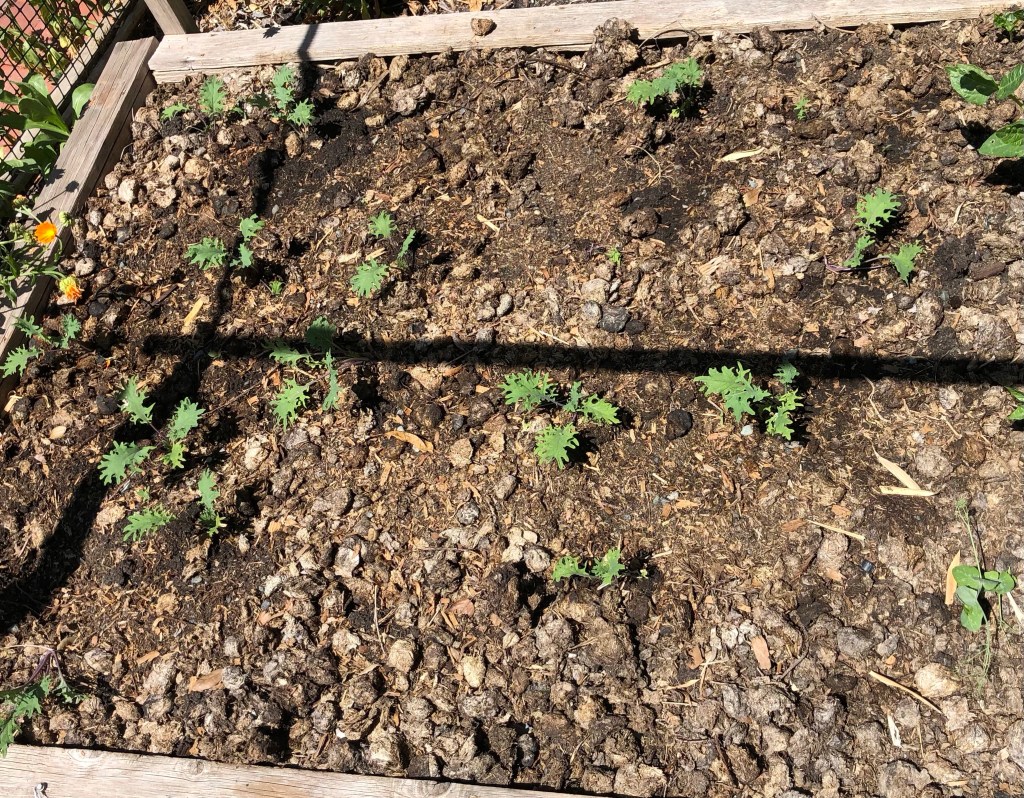
I spent a bit of time working on the soil in the garden this winter. I looked at the existing soil and could tell it needed some work. I like to see my soil alive with worms and bugs. Where life is happening, it’s usually a good thing. I added a ton of self made compost and manure (the manure wasn’t self made 😜). With those things, came a lot of worms and bugs.

Digging my bare hands into the earth of the garden bed and I could pull out a good handful of worms. When I could see that, I knew we were in good shape.

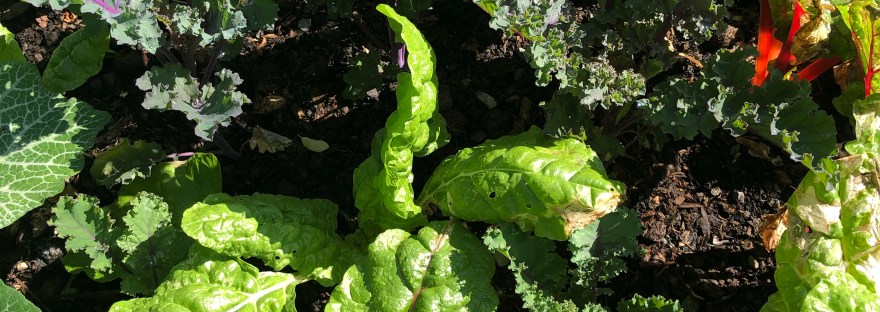
I started some kale, purple mizuna and purple kohlrabi in late winter. I planted them in the garden right before my transplant, hoping to have some good nutrition out of the garden afterwards when I got home.

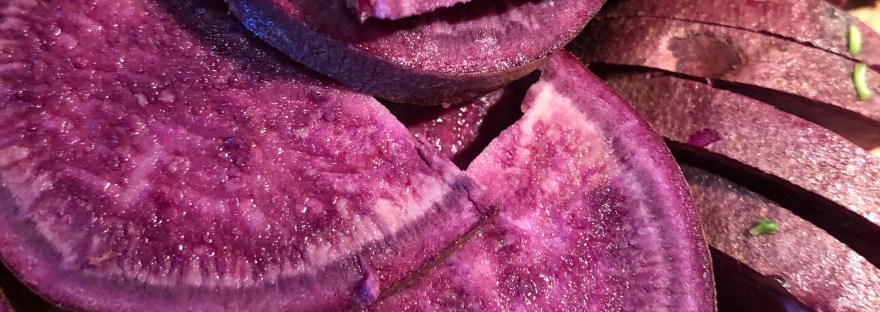
Mizuna is high in many vitamins, especially vitamins A, K and C. It’s also a good source of calcium, iron, and antioxidants. Kohlrabi is an excellent source of vitamin C and a good source of fiber, vitamin B6 and potassium.

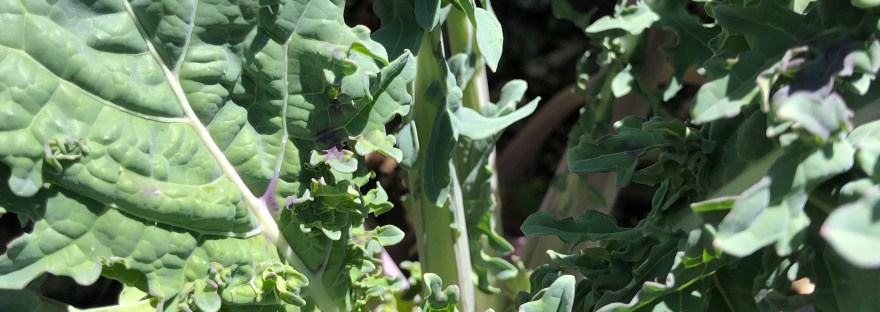
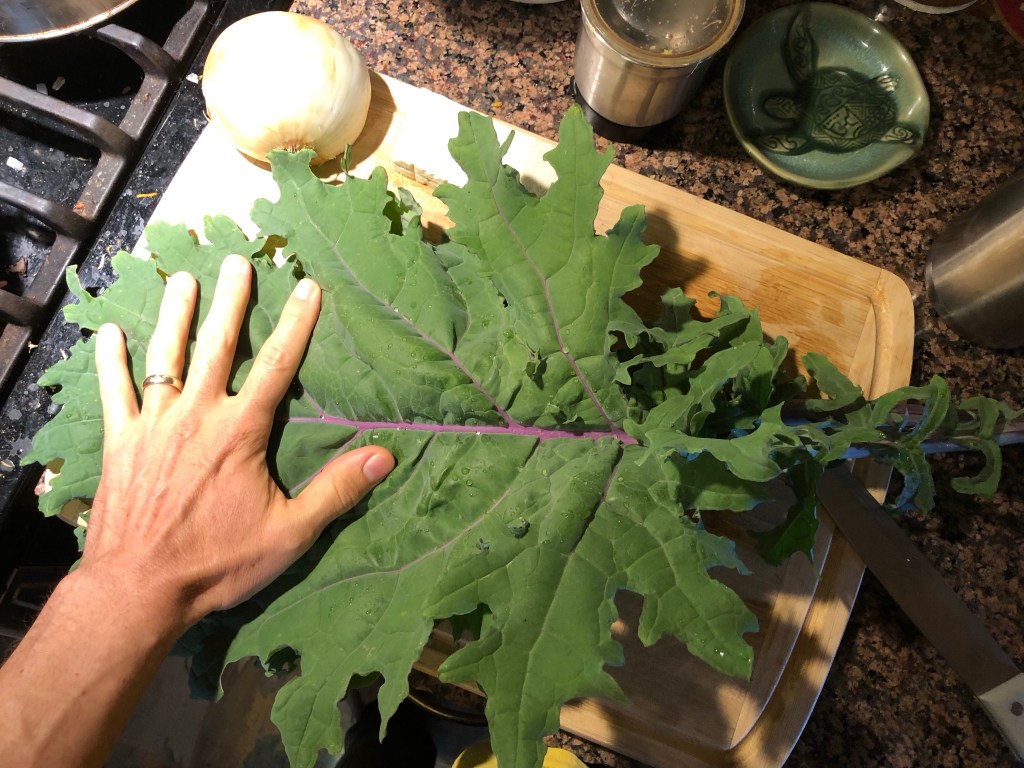
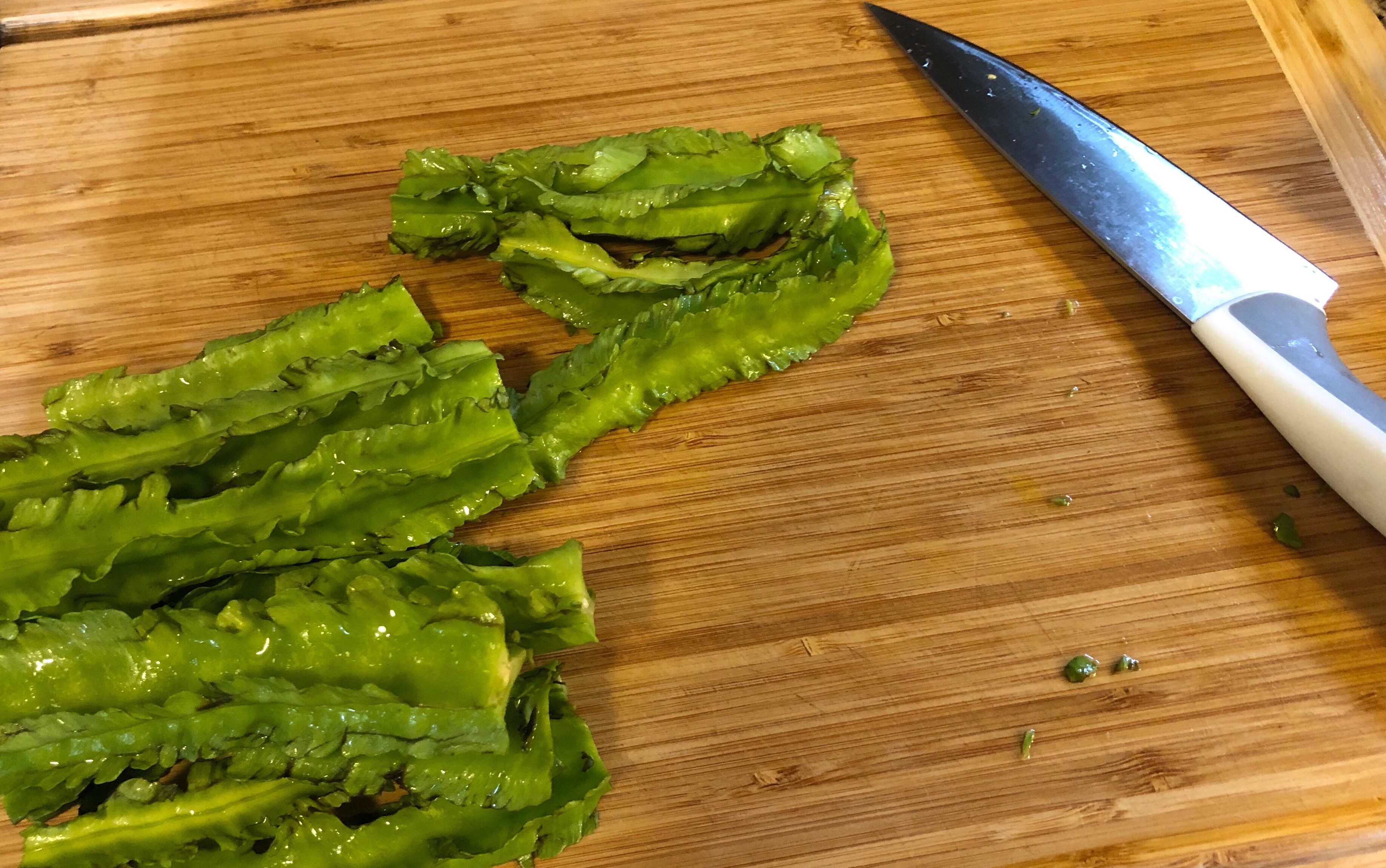
The kale had gotten mature enough to harvest about a month ago. I picked some today for lunch and holy cow, the leaves were enormous! It’s the biggest kale I’ve ever grown. Maybe some of the biggest ever grown for the variety?

The cutting board is 18×13 and I don’t have small hands

The next generation of kale is on the way

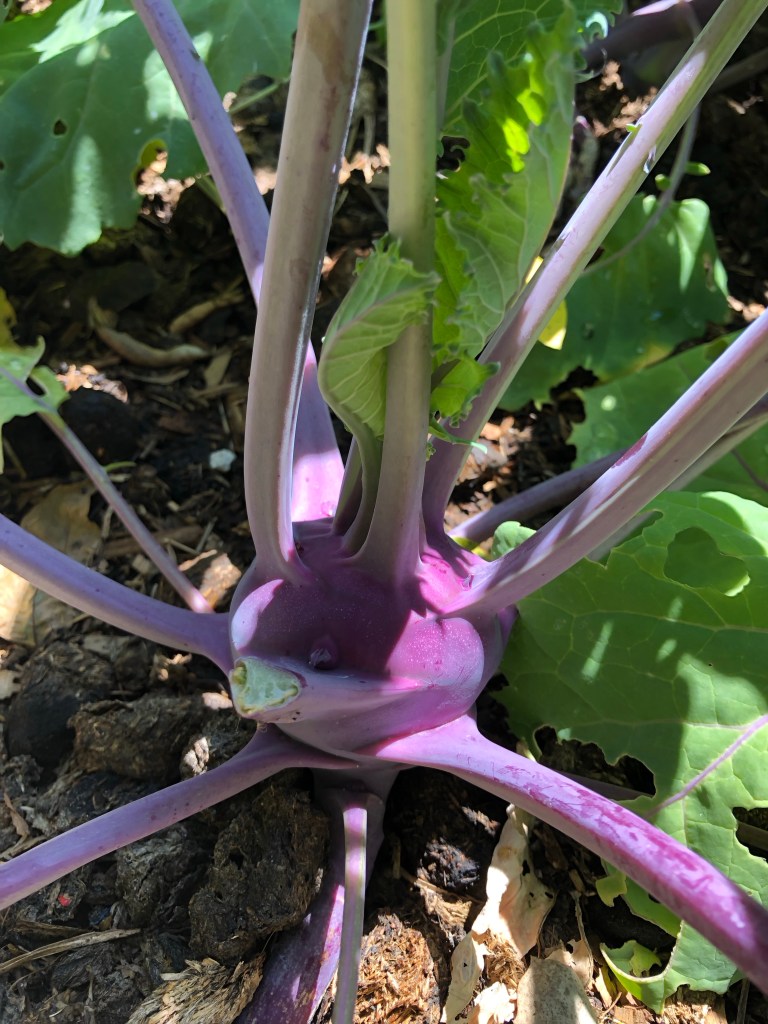
The kohlrabi is starting to bulb up. The leaves are really tasty to eat as well, they kind of remind me a bit of taro leaves

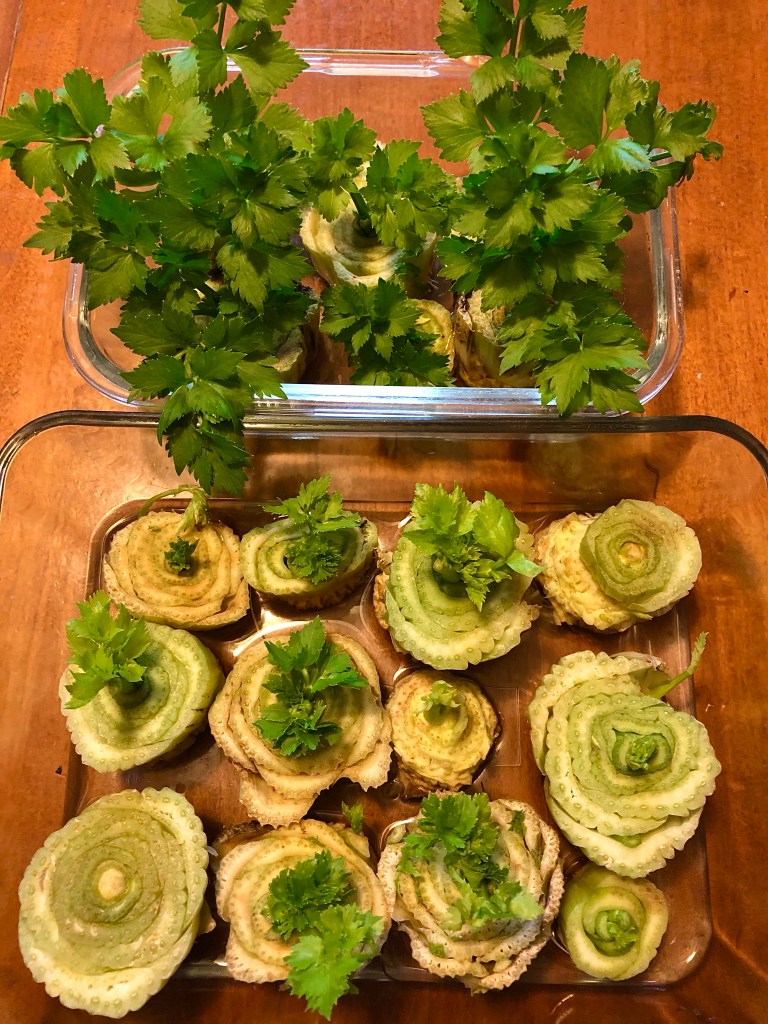
Inspired by last years successful celery grown in the garden, we are starting a bunch indoors from celery ends and then planting them in the garden when they are big enough
Blog, Nutrition

My Stem Cell Transplant Strategy

I had a simple strategy for my stem cell transplant. I thought about the procedure for a little while, and this is what made sense to me. For me, it’s all about increasing odds and outcomes. I viewed this transplant as a major ordeal for the body. You wouldn’t get off your sofa and do a decathlon! Why would it make sense to get off your sofa and do a transplant? I went into transplant training.

The procedure in its essence is killing off your bone marrow and therefore your blood as well. Trying to wipe the slate clean. It is regrown from stem cells that were collected from yourself previously.

My step one, thinking about it logically, I wanted to have the highest quality possible of stem cells that were going to be collected. After all, this little bag of stem cells is what was going to regrown all my marrow.

I’m a huge plant person. Growing plants isn’t complicated. Give them the nutrients, light and water they need in the right amount and they thrive. Humans aren’t much different.

I wanted to spam myself with nutrition. I tend to do that all the time, but I made an extra effort. Your food is your cell’s building blocks. Healthy grains, berries, a rainbow of vegetables, lentils, healthy proteins and oils. Diversity is the key.

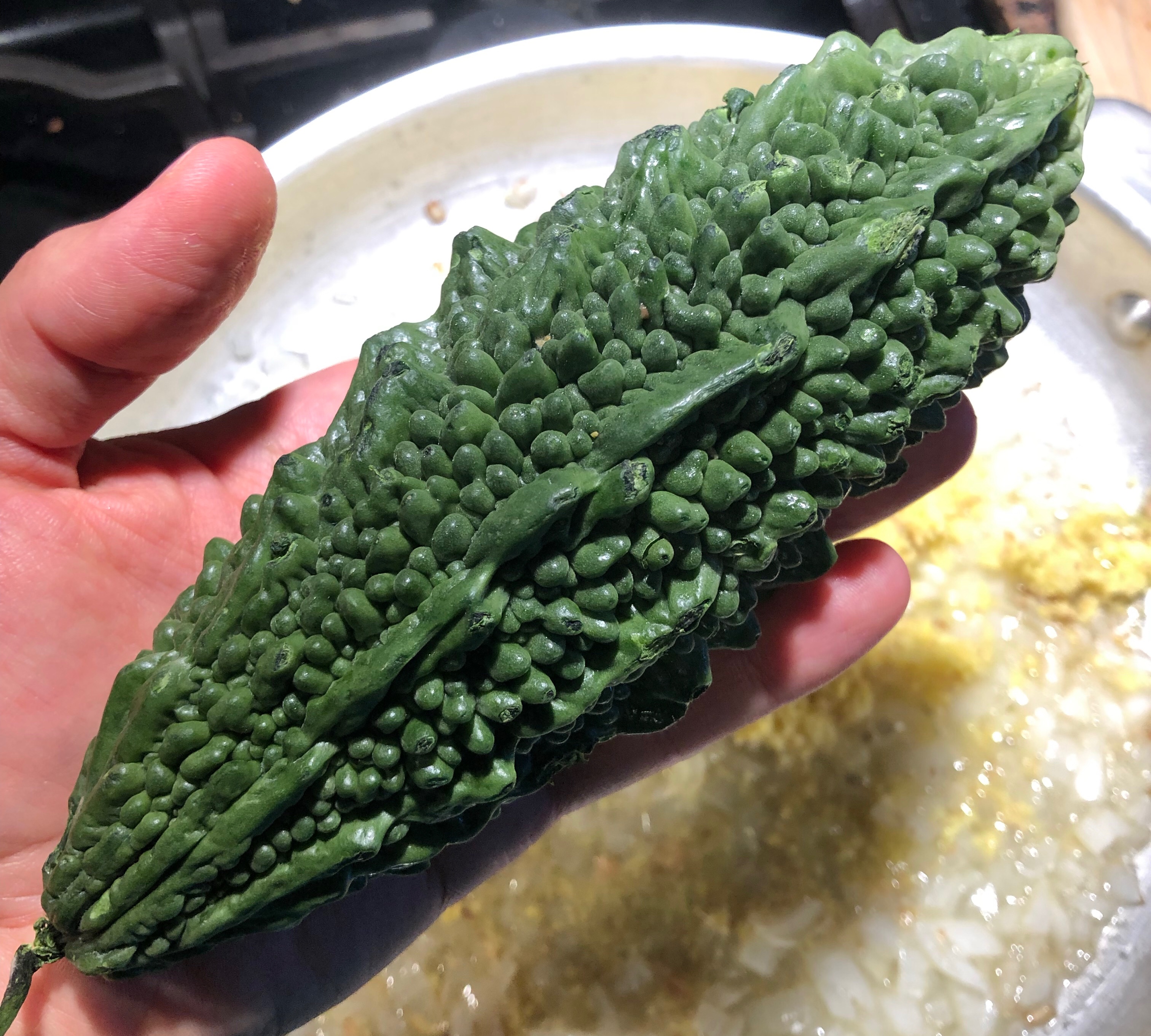
(👈🏼 Bitter melon is great for detoxing your liver, yes, it’s very bitter).

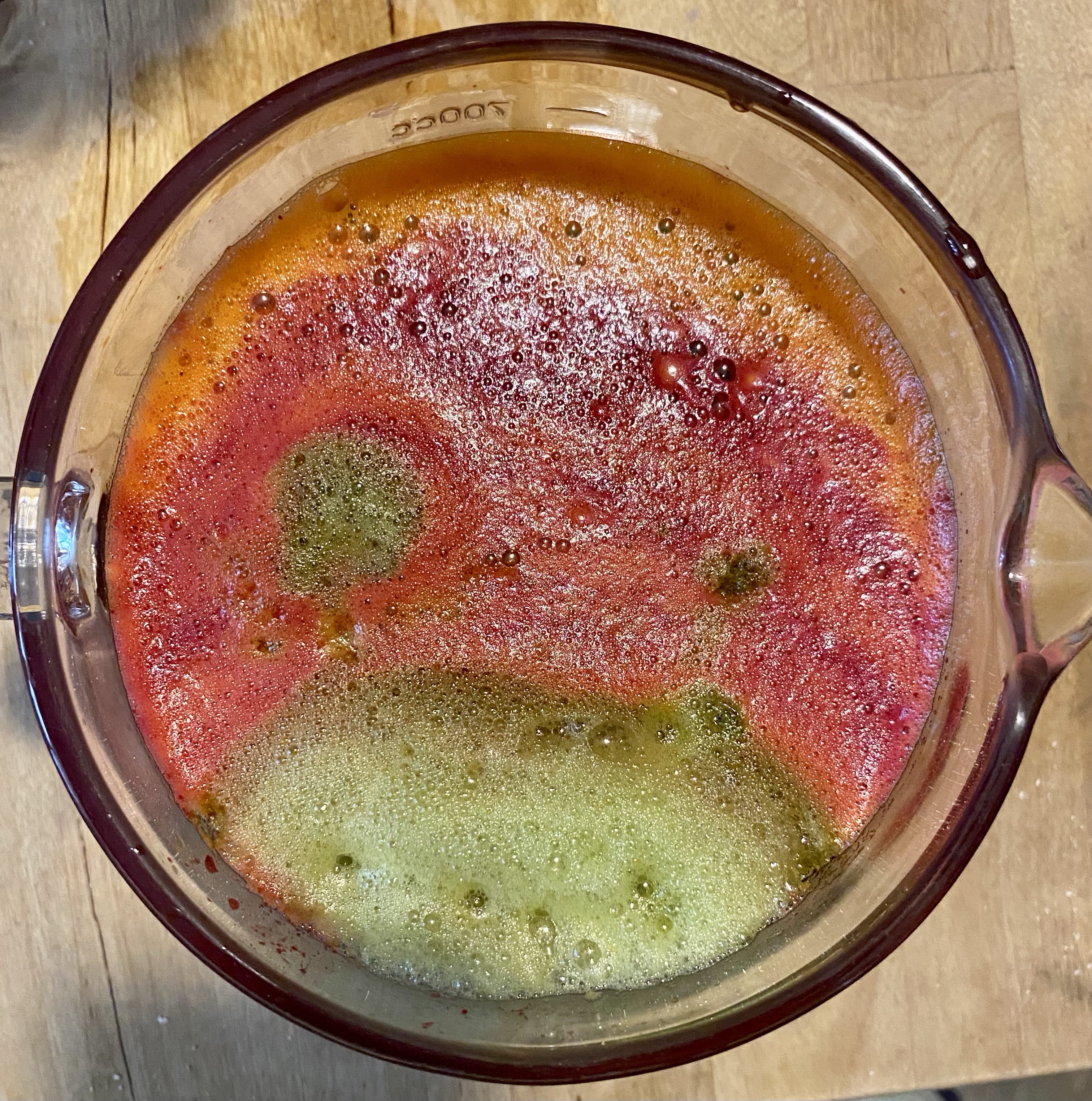
Second, I wanted to detox my body as much as I could, from all the chemo and drugs I had done. I mainly did this using a little personal infrared sauna. I sat in the sauna daily at 170 degrees and let my body sweat out the junk it could. Besides the big nutritional benefit of fresh vegetable juice, it also detoxes your organs, particularly the kidneys, liver and intestines.

Thirdly, I increased my exercise regiment. Walking, running, weight lifting and exercise biking. I also made it a priority to go hiking for miles, as much as I had time for. Sweating and heavy breathing, helped detox. Increased breathing, increased oxygen for my cells. Plus, hiking in nature helped my mental facilities and forest bathing can have a positive effect on cells.

Fourthly, I needed to work on my mental game. I increased my breathing, meditation and Qi gong. I felt it was important to have a level calm head, so I could overcome the mental lows that I knew were coming up. I went over breathing techniques in my How to stop freaking out post.

Meditation is the best way to keep control of your mind. Early in my cancer journey, for some reason, I was resistant to meditation. I kept hearing how beneficial it was, and I eventually overcame my resistance. It was the single biggest reason for my mental U-turn out of cancer negativity. I highly recommend learning a simple practice and doing it daily. Qi gong is kind of like a walking meditation (I’m planning a series of posts on Qi gong upcoming).

I also feel that the power of music is underestimated. I worked on creating a playlist of uplifting and positive songs that I could listen to. When you’re down in the dumps, sometimes music can help flip your script. I ended up with a wide variety of genres that clicked with me. I used it to get my positive vibe up, especially while cooking (didn’t you know food tastes better if you dance while it’s cooked?) Although, during the transplant, I mostly listened to my favorite pianists, Ludovico Einaudi and Helen Jane Long (Ludovico’s songs Ascent Day 1 and Nuvole Bianche are epic).

So these were my pre transplant regiment. During transplant, I once more wanted to keep up as much as I could on the nutrition. This was the building blocks of my new cells. I wanted to create good tissue and give my cells what they need to thrive. I was really excited when they said I could drink fresh vegetable juice, I drank it daily.

Besides the vegetable juice, it was also imperative for me to keep up on my fluids. Drinking was also a challenge. I drank water, coconut water and bubbly mineral water for the minerals and it helped with the nausea. I also asked for if fluids every day whether I needed them or not. Certainly high dose chemo is highly toxic itself and the fallout from it is a lot of dead cells. I wanted to flush things out as much as possible once the chemo was done doing its job. You have to protect your kidneys!

(A juice man created by my daughter 👉🏻)

Having my GI tract destroyed was a challenge for wanting to eat anything. I mostly ate my normal breakfast just in a smaller portion. Mung beans and vegetables for lunch and whatever I could get down for dinner (by dinner I usually wasn’t interested in eating at all). I do feel like having the wholesome diet helped a lot with not having extreme nausea and keeping my blood and electrolytes up.

It was also important for me to keep moving every day and get exercise through it. After breakfast, I would do my Qi gong exercises. I would then take a rest and then no matter how tired I was, I’d scrape myself off the sofa and go walking in the park every day. I do believe movement is life and if you want to keep living, keep moving.

I’ve gone back to my pre transplant regiment except for the sauna, which I’m not allowed to do until day +60. I have random pain in some of my tissue, which can be a sign of toxicity. I’m looking forward to some good sweating. My GI tract went back to some semblance of “normal” at around day +27. The doctors and nurses keep telling me how good my blood numbers are. I feel like I got through it easier than some people, from reading their stories.

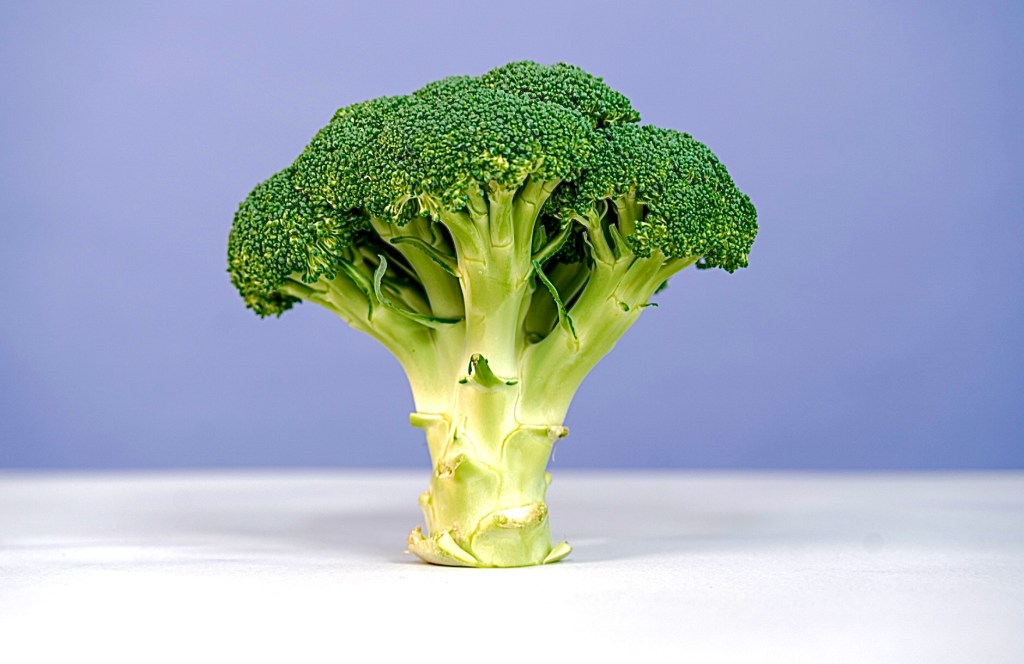
This is my strategy, I guess we will see where the chips end up. If the myeloma is going to thrive through all this, it’s going to have to do it eating broccoli.

Nutrition

Stanford Nutrition Guidlines

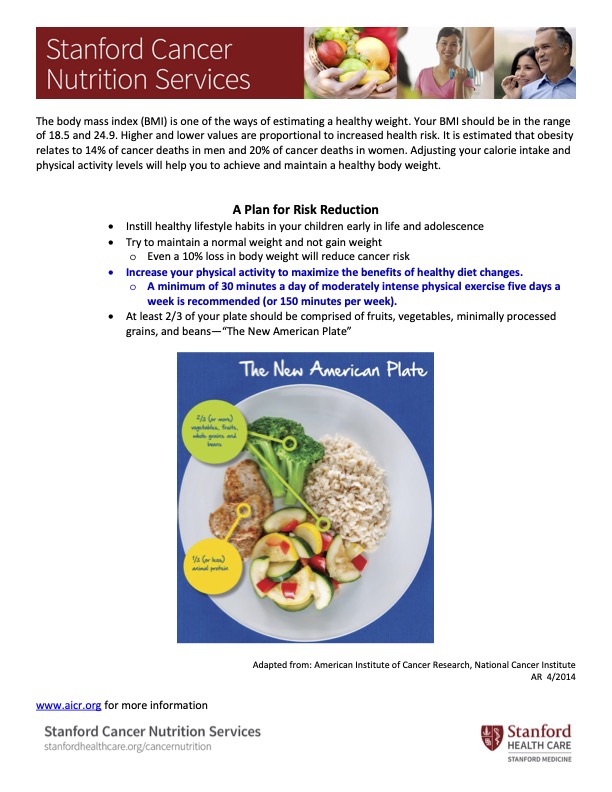
I was on my way out the door from Stanford a few weeks ago, and I was given this document about nutrition. I must confess, I rolled my eyes a bit and said sarcastically, “this ought to be good”.

To be fair, the nutritional advice that I got from my regular provider is “eat a bunch of doughnuts to gain some weight”. Also, during my transplant, I don’t know how many times I was told to eat ice cream and drink gatorade (which I didn’t do). So, I was expecting more of the same advice as I was on my way out.

I started reading and my jaw hit the floor in shock. I told my wife, “Wow, this is actually really good”. It’s so good, that I wanted to share it with you.

It’s solid advice whether you have cancer or you want to avoid getting cancer (or other chronic illnesses). I feel if all Americans adopted this diet, 75% of illnesses would go away or be prevented automatically.

One of my favorite lines from it is, “At least 2/3 of your plate should be comprised of fruits, vegetables, minimally processed grains, and beans”. I think most people’s plates are the opposite or worse. Observe what your plate looks like at your next meal.

Here you go. Give it a try.

Blog

Plus 23

Hello, I finally feel like writing again. I’m at +23 on my stem cell transplant today. It has been an interesting past month to say the least. I’m still in recovery mode, and I’m told I will be this way for a few months at least.

The doctor told me that I did better than most. The end result is all that matters though, how much cancer is left or not left. I would rather be more miserable for longer and have a better response. I won’t know that answer for a few more months. I’m praying for MRD negative test result (zero cancer cells in a million).

I did get an engraftment fever, which wasn’t a surprise to me, since fevers are kind of my thing and I usually get them when I’m sick. Fortunately, I was able to stay out of the hospital from that.

Where my picc line went into my arm, that started to bleed one day, which was alarming because my platelets were so low. They put a plastic dressing over the line to hold it in place and keep germs out. It filled up with blood and I had a sack of blood hanging from my bicep. Fortunately, my measly number of platelets stopped the bleeding and the dressing just got changed.

The nausea was pretty challenging. Not surprising, since the chemo heftily kills off GI tract cells as well. I was only able to eat a third of what I normally eat, and that was forcing myself to eat. I managed it with ginger tea and drugs. I was told I could drink fresh vegetable juice if I made it myself (which I do anyhow). I feel like that helped my nutrition immensely, and kept my remaining blood cells alive and kept me away from transfusion.

I engrafted (my blood started growing again) on day +10. To my surprise, I was told I could go home on day +13 (I had to move into hospital apartments across the street from the ER, since I lived outside the “safe zone”). I didn’t need a red blood transfusion and I only needed one platelet transfusion.

My hair fell out as expected. I wear a beanie to keep my head warm. When I look into the mirror, I think I look like Toad from Mario brothers. Oh well, good thing it’s not permanent.

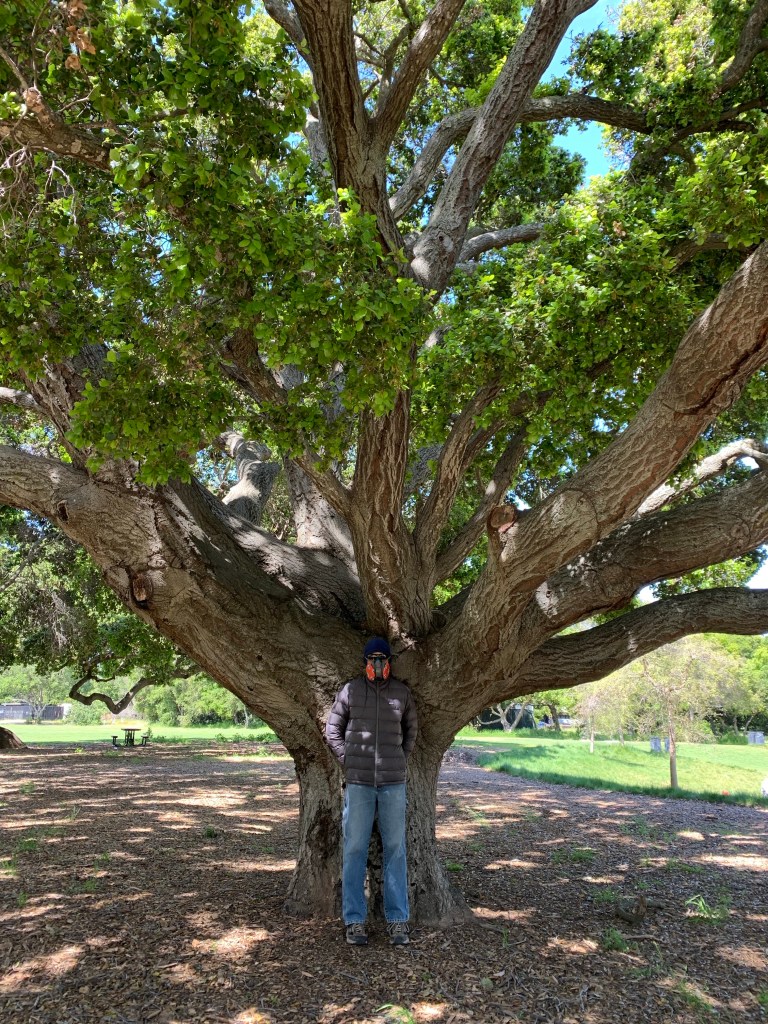
There was a park that was in walking range of the Stanford apartment that we walked to every day. There were some amazing oak trees there. Their branches went out horizontally for 20-30 feet from the trunk. I was amazed they didn’t snap off. Oak wood sure is hard.

One of the oak trees. I had a friend tell me I look like a ninja all covered up 😜.

I’m pretty tired all the time. Go to bed tired. Wake up tired. Tired from doing the smallest things. It’s getting old already. I’m the type of person who does things pretty constantly. I have a whole list of things I’m not allowed to do (due to germ, bacteria and mold risks), and it’s hard to get inspired to do things from what I am allowed to do. I don’t golf, but I’m not allowed to golf for 6 months, I think that one is pretty weird 🤪.

I got the picc line pulled out a few days ago, and today I’m allowed to use my right arm again. Even though I’m tired, I’m really looking forward to exercising again. I have been keeping up on my walking, about a mile every day. Call me crazy, but I did an almost 4-mile flattish hike the other day. I really needed to get out into nature. It makes me feel alive and quite frankly, sometimes I feel half dead these days at times.

Well I’m off to the exercise bike, hopefully I don’t collapse from it 🥴. Again, the only way is forward and I’ll keep on trucking….

Eat your vegetables!

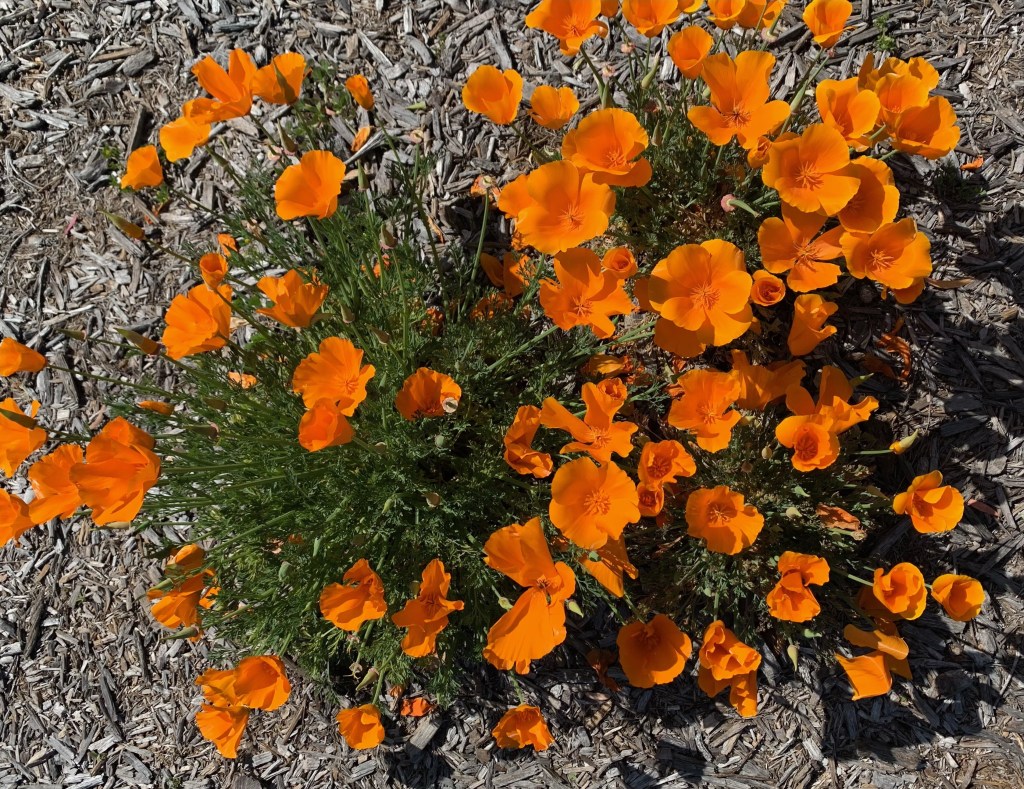
It’s California poppy season and boy are they ever blooming after all the winter rain.
Blog

7.1

The Stanford apheresis nurse called in the evening to let me know if they got enough stem cells. She sounded a little downtrodden, and I started to think, “Dang, I guess they didn’t get enough and I have to go back tomorrow”.

Then she got excited and told me they got a whopping 7.1 units in 4 hours. The goal was 4. For perspective, it takes 2 units for the transplant, to regrow your blood, and they want an extra 2 as back up, in case the first set fails. Guess I could do it 3 times, if it’s fun 🤪?

I guess all those vegetables helped out? It’s hard to get too excited about it though. I feel like I’ve cleared 1 hurdle and still have another 20 to go. Still, I’ll take my small wins where I can.

I get to go home and have a week off before the big test starts….

Nutrition

My Diet – Part One

Cancer is vastly complicated and diet is I feel is a hotly debated topic in the cancer world. To me, it seems that everybody, from every angle adds to it, and muddles it. Unfortunately there is so much money involved by large scale farmers, food manufacturers, stores, marketers, and stock holders/investors, it’s not a pretty picture for your health. Most food companies (not all) are in the business to make money, PERIOD. Make it cheaper, make it taste better, make is last longer on the shelf. Your health is not a big concern.

If you are reading this, then I feel like your health is a big concern for you. Please please please take a interest in what you eat.

I love this quote by B. J. Palmer because it’s so true.

Many of us take better care of our automobiles than we do our own bodies… yet the auto has replaceable parts.

B. J. Palmer

To borrow another one, this time from Al Gore, “An Inconvenient Truth”. He was talking about the environment, but it holds true for the body environment. What we are eating is killing us, it’s not the only thing (looking at you anything plastic related), but it’s a big contributor.

I recently saw an article about people tightening their budgets because of the economy and inflation. A woman in it was talking about shopping for food at the dollar store and buying more canned food. I’m not judging, you have to do what you have to do. She said she was going to cut corners and buy the cheap stuff, despite knowing it was not the best for her. But, when it came to her dog, “nothing but the best, no corner cutting, he deserves it.” Humans are weird (Judging here).

I fully get it, it is so much easier to take something off the shelf, already prepared and eat it, than to make it, but it can be so much worse for you. What is a cancer cell? It’s a cell that can’t die. Or you could call it a preserved cell?? Preservatives? Food for thought.

Full disclosure as far as myeloma goes. I’ve poured through the books and internet. I’ve never come across anything or anybody that has cured their myeloma from a specific diet (or anything else). There has been some information about certain things like, curcumin, that have put people into remission. Certainly, I can find long term remissioners (20+ years), that point to diet.

What I feel like this diet does for me and my myeloma is, it seems to keep the myeloma moving very slowly. It’s gotten me healthier and helps keep my whole system healthier. It has kept my CBC numbers in normal range and my liver and kidneys functioning well. I feel it also has taken the odds of me getting a secondary cancer from treatment and made that smaller.

I do feel like this diet has the potential to get rid of many other cancers. It’s not anything new, nothing I invented. It’s just a whole food, plant based diet.

One additional benefit is, you will automatically lose weight and all you have to do is eat real food, no dieting. Speaking from my experience, I lost 20+ pounds of extra weight, my wife lost 15+ pounds and I know other heavier people who were on it that lost 30+ pounds. My wife and I weight evened out smack dab in the middle of the bmi chart (for whatever bmi is worth?). It seems like our bodies know what we are supposed to weigh and will hit that weight if we feed ourselves the right things.

A different reaction happened with my children. They put on healthy weight and tissue. Their skin and hair started to glow. They moved to the top of the growth chart at the Doctors. Cavities stopped happening.

My wife and children do eat on occasion “healthy” packaged foods. Diet is still a challenge in our household, due to my teenagers. Kids will be kids, but they eat what my wife and I want them to eat 90% of the time and they on their own avoid the really junky stuff.

Myeloma specialists are also now coming out and talking about the importance of diet for long term survival. Dr. Urvi Shah from Memorial Sloan Kettering is one myeloma specialist who studies diet and myeloma.

We know and there has been clinical studies done, that show that if you are obese, you will do worse with myeloma and treatment with myeloma, including stem cell transplant. If you’re obese, you will do worse across all cancers. This is very real and a very hard truth and there is no sugar coating it (bad pun for this topic).

You can go to pubmed.gov and search diet and cancer and it will pull up 50,000+ studies done by doctors on the importance of diet. Here is an article/study published by the International Journal of Cancer, showing decreased rates of cancer by eating a plant based diet versus a red meat/ processed meat diet.

I read a staggering stat the other day, in regards to prostate cancer. In the US, 140 men per 100,000 will develop prostate cancer. In Europe and South America, 20-50 per 100,000, will. In China, 3 per 100,000. Makes you sure go Hmmm….diet may be an important clue here.

I feel like diet is so important, which is why my website is named carrots over cancer.

Diet has to be a lifestyle choice. You are in control of what you put into your body and the consequences of that are yours. What do you want to become part of you?

My diet summed up is:

I seek out Organic Plant based foods, more vegetable variety, the better, high protein, nutrient dense carbs, fruits, healthy fats and healthy nuts and seeds.

I avoid meat, dairy, sugar, processed foods, junk food, junk carbs and inflammatory foods.

I’ll get into specifics in Part Two.