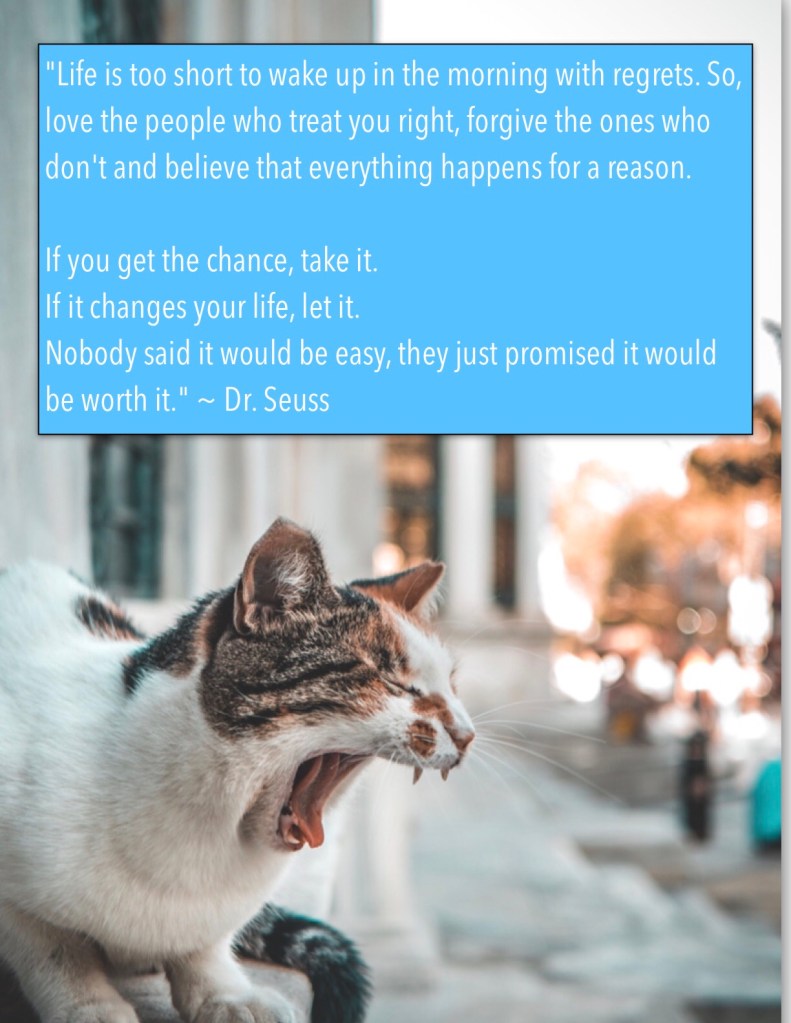
Life Is Too Short
Jothi Sendan’s myeloma cancer journey, thoughts and ideas

If you think you are too small to make a difference, try sleeping with a mosquito.
Dalai Lama
To suppress the grief, the pain, is to condemn oneself to a living death. Living fully means feeling fully; it means becoming completely one with what you are experiencing and not holding it at arm’s length.
Philip Kapleau
The best way to not feel hopeless is to get up and do something. Don’t wait for good things to happen to you. If you go out and make some good things happen, you will fill the world with hope, you will fill yourself with hope.
Barack Obama
A good spouse and health is a person’s best wealth.
Benjamin Franklin
Insanity: doing the same thing over and over again and expecting different results.
Albert Einstein
Nations do not die from invasion; they die from internal rottenness.
Abraham Lincoln

If you recall the happiest moments in your life, they are all from when you were doing something for somebody else.
Desmond Tutu
Carefully watch your thoughts, for they become your words. Manage and watch your words, for they will become your actions. Consider and judge your actions, for they have become your habits. Acknowledge and watch your habits, for they shall become your values. Understand and embrace your values, for they become your destiny.
Mahatma Gandhi
If you want to be miserable, think of yourself. If you want to be happy, think of others.
Sakyong Mipham
We can complain because rose bushes have thorns, or rejoice because thorn bushes have roses.
Abraham Lincoln
Never ruin an apology with an excuse.
Benjamin Franklin

I’m not sure who wrote these, but most of these are pure GOLD, enjoy.
𝐎𝐥𝐝 𝐇𝐢𝐥𝐥𝐛𝐢𝐥𝐥𝐲 𝐖𝐢𝐬𝐝𝐨𝐦:
Life is simpler when you plow around the stump.
Words that soak into your ears are whispered, not yelled.
Your fences need to be horse-high, pig-tight and bull-strong.
The best sermons are lived, not preached.
Keep skunks, bankers, and politicians at a distance.
A bumble bee is considerably faster than a John Deere tractor.
If you don’t take the time to do it right, you’ll find the time to do it twice.
Don’t corner something that is meaner than you.
It don’t take a very big person to carry a grudge.
You cannot unsay a cruel word.
Every path has a few puddles.
When you wallow with pigs, expect to get dirty.
Don’t be banging your shin on a stool that’s not in the way.
Borrowing trouble from the future doesn’t deplete the supply.
Most of the stuff people worry about ain’t never gonna happen anyway.
Don’t judge folks by their relatives.
Silence is sometimes the best answer.
Don‘t interfere with somethin’ that ain’t botherin’ you none.
Timing has a lot to do with the outcome of a rain dance.
If you find yourself in a hole, the first thing to do is stop diggin’.
Sometimes you get, and sometimes you get got.
The biggest troublemaker you’ll ever have to deal with watches you from the mirror every mornin’.
Always drink upstream from the herd.
Good judgment comes from experience, and most of that comes from bad judgment.
Lettin’ the cat outta the bag is a whole lot easier than puttin’ it back in.
If you get to thinkin’ you’re a person of some influence, try orderin’ somebody else’s dog around.
Live a good, honorable life. Then when you get older and think back, you’ll enjoy it a second time.
Live simply. Love generously. Care deeply. Speak kindly. Leave the rest to God.
Most times, it just gets down to common sense.
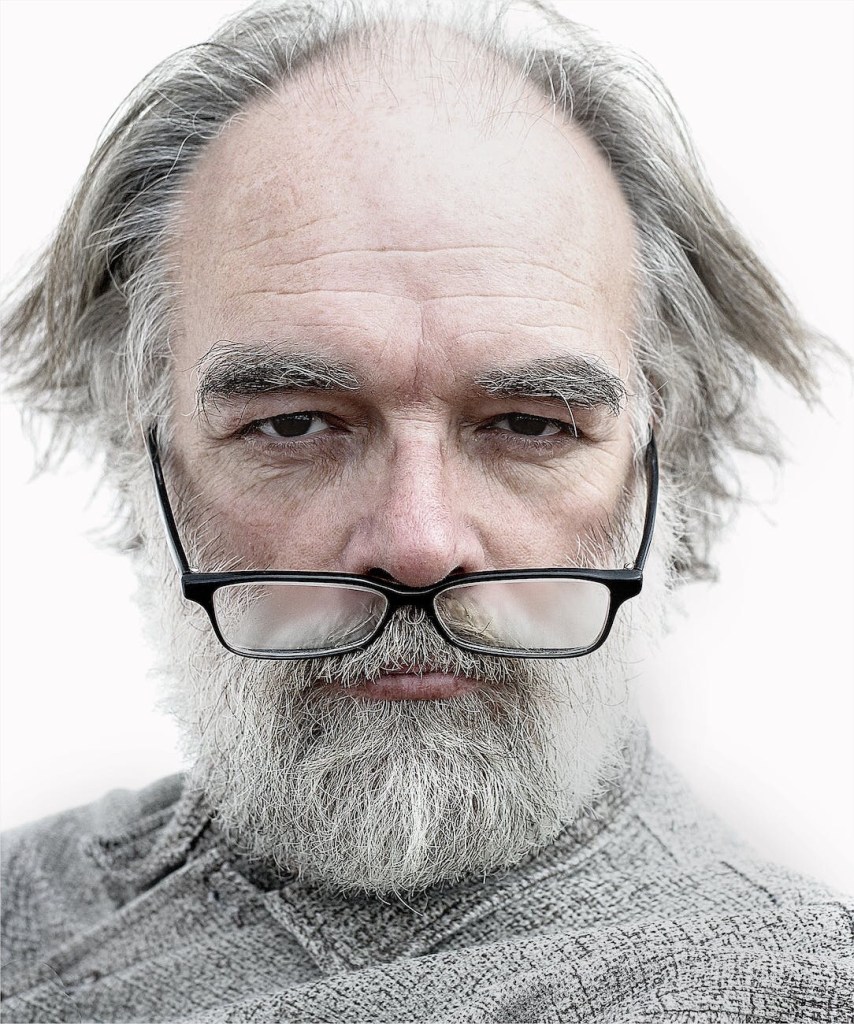
I’ve been having this conversation a few times with my family as of late, most notably with my teenagers. Teenagers are at a transformation point in their lives, so it can be pretty easy to have conversations like this. But, I think it’s an interesting question for everyone.
What kind of person do you want to be?
When I was working and walking around the job, I would be constantly thinking. I had a complex job and being a supervisor, it was part of my job to figure things out and set up people with tasks for the day. Come to my knowledge, I tend to frown when I’m thinking.
“Why are you grumpy all the time”, someone asked me.
“What??? I’m not grumpy”, I replied.
“You walk around frowning a lot”.
“I do? I’m just thinking”.
Without my knowledge, I had become a grumpy person and that’s not somebody I want to be. I started consciously walking around with a smile on my face and all of a sudden I wasn’t a grumpy person anymore (although, I’m sure I still frown think from time to time).
We had a new neighbor move into the neighborhood last year, a few houses down from us. The husband (I’ll call him Fred for this story) and his wife are probably in their 30s and they just had their first child. We are fortunate to live at the end of a quiet street and all of our neighbors have multiple children, ages between 4-17. The road dead ends, so it’s a safe and perfect place for children to play.
Shortly after Fred moved in, he started grumbling and fighting with his neighbors on either side of his house about things he was unhappy with about their houses and yards. Fred also seems to like his drink too much at times and caused some late night disturbances with the neighbors across from him. As you can tell, he was quickly making friends.
After they had their baby, as any parent could tell you, the beginning months can be a challenge, especially for first time parents. Their baby is sleeping or not sleeping at all hours of the day. Fred has decided the whole neighborhood has to be quiet while the baby is sleeping during the day, especially all the neighborhood children playing outside. He has taken it upon himself to come out and yell at the kids for playing, which of course isn’t going down too well with the rest of us.
What about the garbage trucks collecting garbage? Delivery people? People cutting grass? Umm, ok….seems ludicrous to me. I get if the kids were being excessively noisy or obnoxious, but they aren’t actually being that loud.
Of course, after hearing about this man yelling at my son, I wanted to march down to his house and tell him a thing or two (that happened, but not by me). But then the thought came into my head, does he realize that he is the neighbor in the neighborhood that everyone hates? (I don’t hate him, I actually appreciate the learning experience).
It would seem to be more constructive to ask him if this who he wants to be (and to tell him about white noise machines, like fans or air purifiers 😜). Maybe he doesn’t know the neighbors despise him and are praying for him to sell his house and move out. I’m sure there is more to Fred than I know, but to the neighborhood, he’s the neighborhood jerk. I doubt that is who he would like to be.
I recently watch a show on Netflix called Mission Joy- Finding happiness in troubled times. It was about the Dalai Lama and Archbishop Desmond Tutu, their lives, challenges and why they are joyous despite having every reason to be bitter and be a complainer. It was a conscious decision not to be that way and live life joyously and spread that joy. I highly recommend the show. It was just a treat to watch those two interact, laugh and be brothers despite their religious differences.
The main conversation I was having with my children, was about complainers. Complainers are interesting people, because they always can find something to complain about, and it usually doesn’t take long for them to start once a conversation starts.
One of my kids was in the living room, and they were complaining about this and they were complaining about that. Finally, I had enough and exploded out, “why don’t you do something about what you’re complaining about instead of complaining about it”. (Dex might have had something to do with my explosion).
Complaining does nothing constructive, other than driving everyone around you crazy and not wanting to be around you. If something bothers you, do something about it. A person could spend more time and energy complaining about something than it actually takes to rectify the situation. (Of course, by my previous example, there are better or worse ways of doing something about things).
My wife and I were talking about complainers and she poised the question, “Do complainers, know they are complainers?” Briefly I thought and said “I don’t think they do”. I think what people who complain excessively are after, is attention.
I asked my children, “Do you want to be a person who stays in one place and just complains about everything in their lives or do you want to be a person who takes the lead, overcomes things and can change the world around them? Who do you want to be?”
Toxic people come up when you are dealing with cancer, more specifically, not being around toxic people when you are trying to recover from cancer. I do believe that, that’s completely valid and good advice. Toxic people are hard to be around when you’re healthy.
Then the thought occurred to me, what about toxic patients?
“God, why won’t this guy just die already!”
Certainly, anyone who has a chronic illness has a good excuse to complain. But to the point, where everyone is sick of you? One of my goals is not to become a person like that. That’s not who I want to be.
Early on in my cancer journey, about three years ago now, I went to India for about a month for Panchakarma treatment. The treatment is essentially purging your toxins (which can include mental toxins) and having your reset button pressed. I had just gone through the wringer with chemo and still having the mental struggles that come with cancer.
I wasn’t able to get a room at the clinic in India, so I rented a room a short distance away and took a tuk tuk back and forth. On the tuk tuk trip, sometimes I would see a crippled man on the corner, shirtless with a ragged cloth around his lower half. It looked like his legs had never worked from birth. He would be sitting on the ground, on his torso, with his skinny twisted legs folded behind him for probably hours.
The image of him is burned into my mind. From my point of view, I had been dealt a bit of a bum hand with myeloma. BAM, some perspective had just slapped me upside the head. What do I have to complain about? All of a sudden, I knew I had and will continue to have, a better and less challenging life than this person, myeloma and all. From now on, when ever I feel like complaining about things, an image of this man with his twisted legs, breathing in tuk tuk exhaust, pops into my head to remind me to be grateful for what I have.
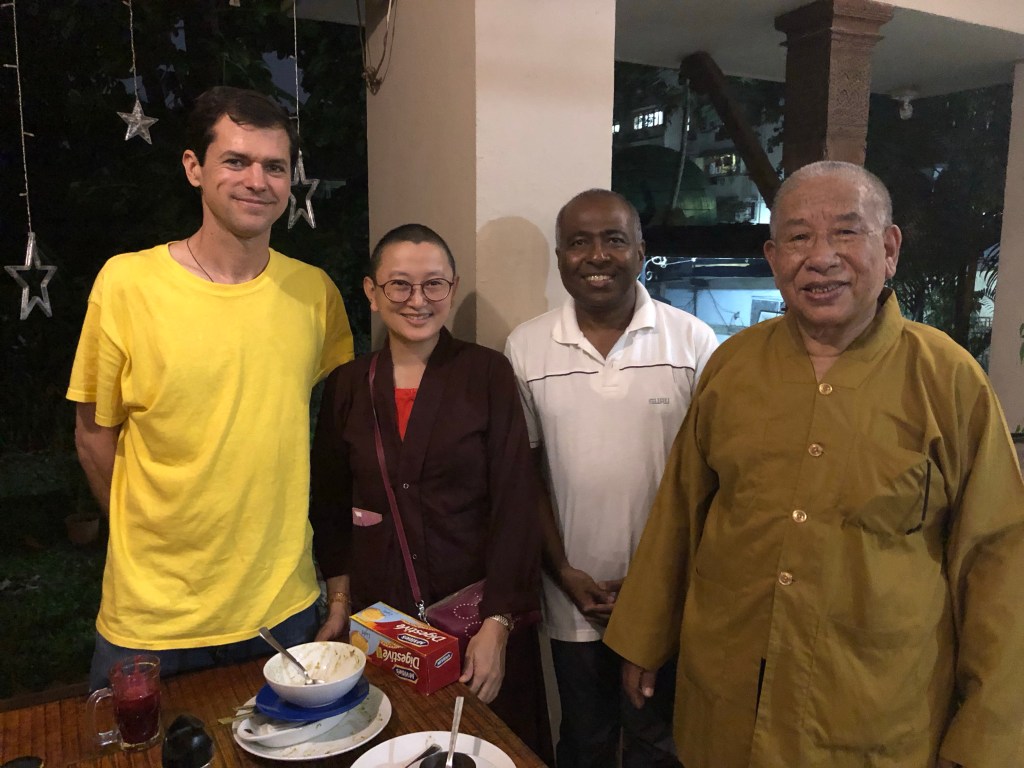
I met a number of amazing people on that trip to India. Two that stand out in my mind were a Buddhist Lama and his interpreter monk. I have been blessed to have met and spent time with some very holy people in my life. These people have a presence about them and just being in the same room as them, you know that you are in the presence of someone really special. This Buddhist Lama is one of those people. But, this particular little story is about his interpreter monk.
She (yes, it’s a she, I generally think of monks as men) was born with a rare heart condition. She was very small and weak as a child and was always getting sick, because of it. She was so sick and weak one time she couldn’t get out of bed for months. She kept taking Tibetan herbs and praying, and she eventually got stronger and better enough to get up and go on with life, but still had this heart condition. She saw western medical doctors and had multiple heart surgeries, but the condition is not curable. Her heart can stop beating at any moment and she will die.
I did not know any of this when I first met her. She has one of the best, brightest smiles, that I’ve ever met and she is always smiling. How could this person exist, who is so full of life and happiness, literally have their heart stop beating at any moment? Shouldn’t she be grumpy, gloomy and miserable? Curled up in their bed, crying? She was the complete opposite!
Again, what do I have to complain about? She is a person who I would like to be like. She chose to be this happy, amazing person and not be consumed by what her body is doing. She has heart pains and challenges but sloughs it off, speaks many languages and be an translator for a important Lama. We had many conversations about life in the monastery, food and movies (she’s a big movie lover).
People will either show you who you want to be or who you don’t want to be. Things aren’t always easy, adversity comes in all forms, and everyone has it at points in their lives. Having cancer is hard. Having chemotherapy is hard.
Do I have the right to complain? Yes, I probably do. Do I want to? No, I don’t. Do I want to be afraid of cancer, afraid of it coming back, grumpy, a jerk, and someone that people don’t want to be around? No, I don’t. Anybody can justify doing/being anything.
Do I want to be happy and smile in the face of adversity, be a good person, a good example for my children and lead the way? Yes, I do. It’s who I want to be. It is my choice. Everyone has that choice. It is up to all of us to decide who that person is.
Who do you want to be?
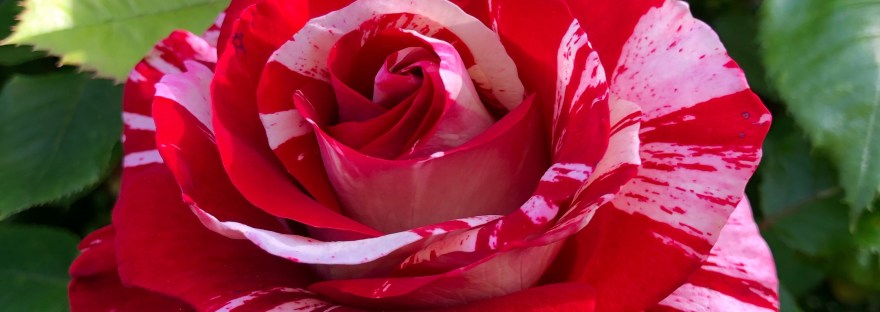
By Sivaya Subramuniyaswami
Appreciation is a beautiful, soulful quality available to everyone in every circumstance—being thankful for life’s little treasures, grateful for the opportunity to begin the day where you are, appreciating the perfect place your karma has brought you to.
Appreciation is life-giving. Depreciation without appreciation is heartlessly destructive. Yet, it is the all-too-common way of our times. When something is done that is good, helpful or loving, it is often overlooked, treated as something expected. No acknowledgment is shown, no gratitude expressed. But if a shortcoming is seen, everyone is swift to point it out!
The wise ones knew that all people possess freedom of choice and the willpower to use it. Today that freedom is usually used, unwisely, to downgrade others, as well as oneself. Ignorance seems to be almost as all-pervasive as God. We find it everywhere and within every situation. It does not have to be this way.
Gratitude is a quality of the soul. It does not depend on how much we possess. Its opposite, ingratitude, is a quality of the external ego. When we are selfless, we give thanks for whatever we have, no matter how little or how much. When we are egotistical, we are never grateful or satisfied, no matter how much we have.
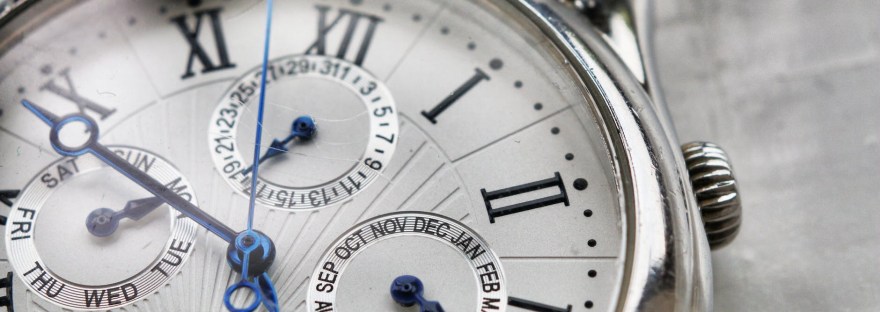
Written by the fine folks at Learning Strategies http://www.learningstrategies.com/
“Time is what we want most, but what we use worst.”
– William Penn
“Lack of time” is the number one reason people cite for their failure to exercise, says the National Academy of Sports Medicine. It’s also why so many people fail to launch their dreams and goals.
In effect, it’s an excuse that causes us to abandon our capacity and ability up front. After all, why engage in an activity if you believe ahead of time it cannot be done because you lack the time?
The most successful—and fulfilled—people are those who truly value their time. Notice I did not say “manage” their time. It’s an important distinction.
Getting the most from your time is not just about making lists and being organized. While that can certainly be helpful, making optimal use of your time requires you recognize the great worth time has for you.
There is an economic aspect to time—trading the monetary value of your work time for something tangible such as a new sweater, home, concert, or vacation—and there is a spiritual aspect. Like money, time is a medium through which your spiritual values come into the material world. How you choose to invest your time is an expression of who you are and your deepest values as reflected in your work, hobbies, community commitments, and how you tend your relationships.
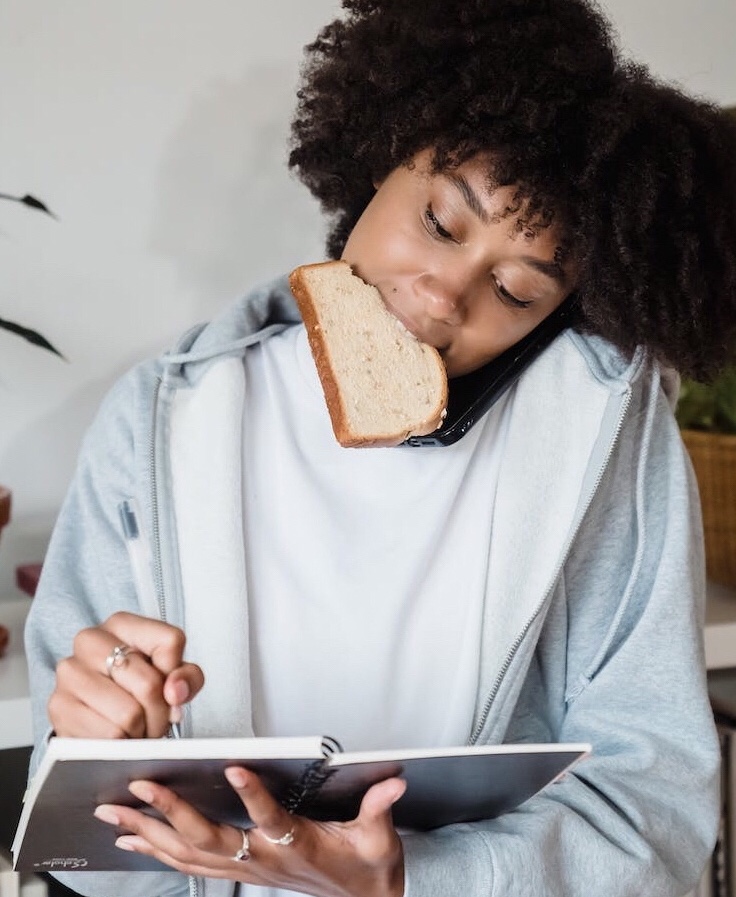
Every action you take—or non-action—involves an evaluation of your time, whether you realize it or not. It might be a deliberate thought process, or it can happen in an instant when you finish dinner and say, “I’m too tired to pay bills, I’ll watch TV instead.”
What are the criteria by which you evaluate your time?
Perhaps you start each day with a half-hour meditation. Why? Because it’s of greater value to you than anything else you might do at that moment such as sleeping a little longer or watching the morning news. Your experience has told you dedicating those minutes at the front end of your day makes you calm, focused, and energized so you can think more clearly and accomplish more each day.
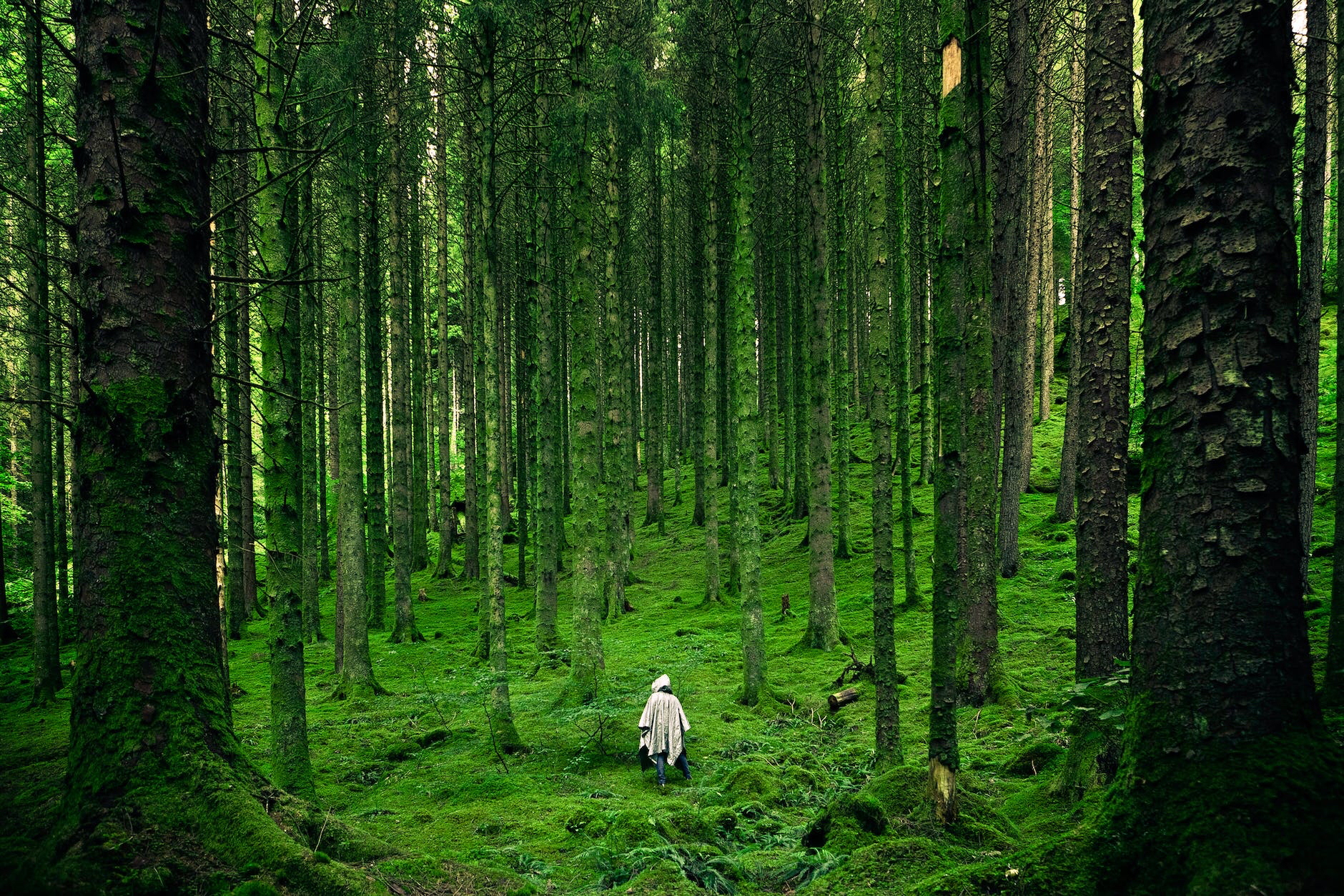
How you choose to value your time is key, whether you are listening to Paraliminals, practicing Spring Forest Qigong, training for a marathon, restoring antiques, volunteering at a homeless shelter, or learning a musical instrument.
Let’s say you enjoy playing the piano and regularly practice to get better. Who cares? You can put on a recording and listen to the best pianist in the world all day long, so it has little to do with hearing the music.
You have placed a value on being able to play the music yourself. Why? Because it brings you joy and satisfaction. You don’t practice for the sake of practice. You practice because every minute you do, you are engaged in doing something you love or something that satisfies. Time flies by, and as you channel your energy productively, your skills improve and you become a better pianist.
As you go about your day, stop and ask yourself, “What is the best trade for this time?”
Ask it often—whenever you’re about to start a task or project, when you switch gears after your evening meal, or when you get in your car as you leave work (do you listen to talk radio, engage a language learning program, or use your commuting time to brainstorm solutions to a difficult problem?).
When you intentionally choose how you spend your time, you’ll feel more in control of your life as you direct your energy in the ways that best serve you and the world.
 Carrots Over Cancer